


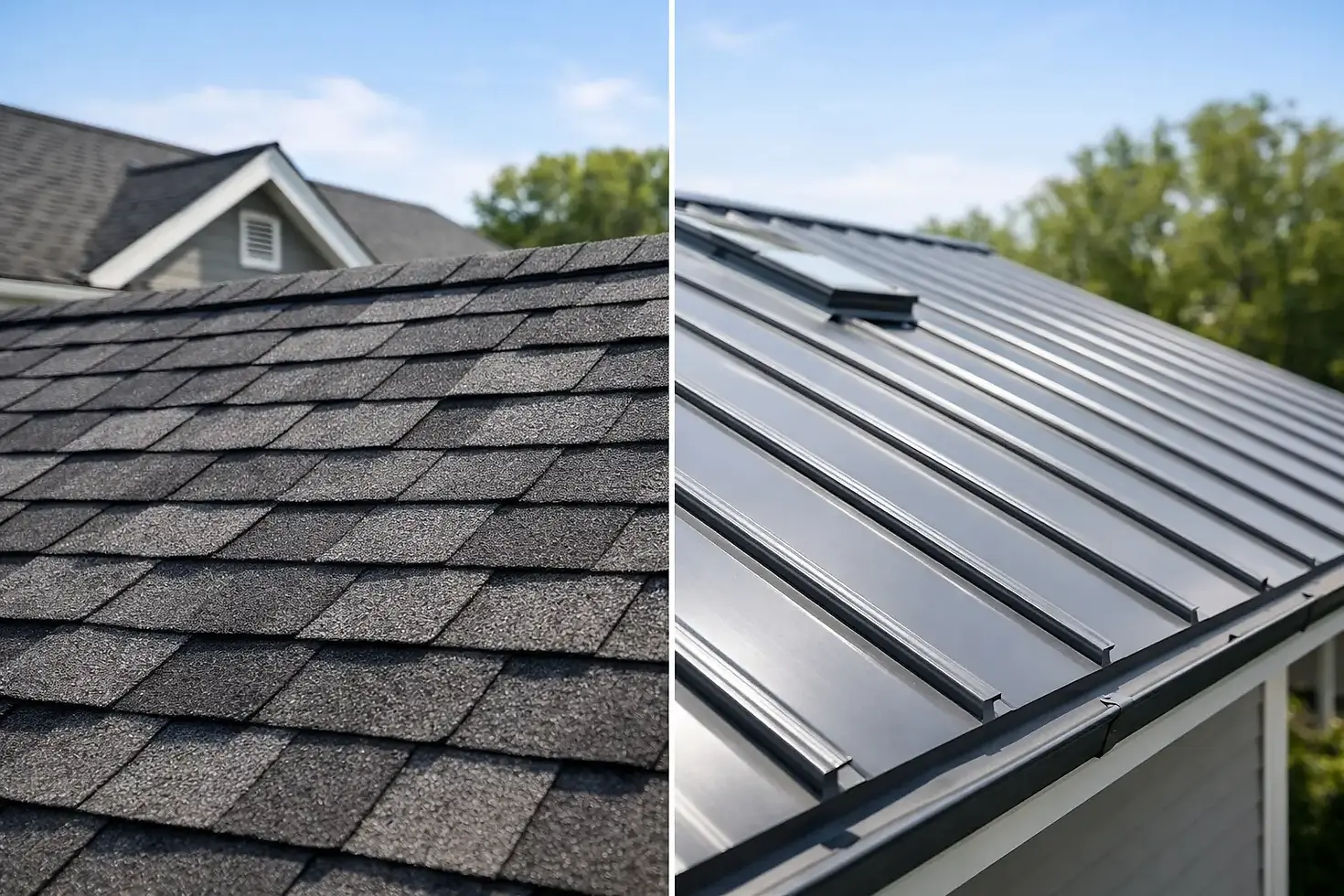
Asphalt Shingles Versus Metal Roofs Compared
- Glen Horoshok
- 21 hours ago
- 6 min read
A Winnipeg roof has to do more than look good from the street. It needs to stand up to deep winter cold, wind-driven rain, heavy snow, rapid thawing and summer hail. When homeowners compare asphalt shingles versus metal roofs, the right answer is rarely just about the initial price. It is about the condition of the home, the roof design, how long you plan to stay and how much maintenance you want to take on.
Both options can provide dependable protection when they are installed properly. The difference lies in their lifespan, cost, appearance and how they perform under Manitoba conditions.
Asphalt shingles versus metal roofs: the main difference
Asphalt shingles remain the most common roofing choice for Winnipeg homes. They are familiar, cost-effective and available in a wide range of colours and profiles. A quality architectural shingle roof suits most residential rooflines and can be repaired more easily when a small area is damaged.
Metal roofing costs more at the outset but is built for a longer service life. It sheds snow efficiently, resists fire and can handle harsh weather very well when the panels, fasteners, flashing and ventilation details are installed correctly. Modern metal roofing is also far removed from the basic corrugated look many homeowners picture. It is available in clean standing-seam styles and profiles designed for residential properties.
Neither material is automatically better for every property. A straightforward bungalow, a long-term family home, a cottage and a house with a complex roofline can each lead to a different recommendation.
Initial cost and long-term value
For most homeowners, the first noticeable difference is the quote. Asphalt shingles generally have a lower initial installation cost. Materials are widely available, installation is comparatively efficient and shingle systems work well on many standard residential roofs. That makes shingles a practical choice when a roof needs replacement soon and the budget needs to stay controlled.
Metal roofing is a larger investment. The material itself costs more, and careful fabrication and installation are essential. Roof penetrations, valleys, chimneys and wall connections require precise flashing work. A low metal quote can be a warning sign if it leaves out the details that keep water out over the long term.
The value calculation changes when you look beyond day one. A properly installed asphalt roof may serve a home well for roughly 20 to 30 years, depending on the product, exposure, ventilation and maintenance. A quality metal roof can last much longer, often 40 to 70 years or more. Homeowners who expect to remain in the property for decades may find the higher metal-roof cost easier to justify.
That said, lifespan claims should not replace a close look at the whole roofing system. Underlayment, ice-and-water protection, attic ventilation, roof decking and flashing all matter. Even premium roofing materials cannot compensate for poor workmanship below them.
How each roof handles Winnipeg weather
Manitoba weather is one reason roofing decisions deserve more than a quick online comparison. Winter temperatures, drifting snow, freeze-thaw cycles and spring runoff all test the weak points of a roof.
Snow and ice
Metal roofing has a smooth surface that helps snow slide away rather than sit on the roof for long periods. This can reduce snow loading, but it also means snow can release suddenly in sheets. Snow guards may be needed above entrances, walkways, decks, driveways or areas where falling snow could damage landscaping or create a hazard.
Asphalt shingles create more surface grip, so snow tends to remain in place longer. That is not necessarily a problem, provided the roof structure is sound and attic ventilation is working properly. The greater concern is ice damming. When heat escapes into the attic, it can melt snow near the upper roof, which then refreezes along the eaves. Water can back up under shingles and enter the home.
A metal roof can also develop ice-related issues if ventilation and insulation are neglected. The material is not a cure for heat loss. Proper eaves protection, ventilation and attic insulation are the real defence against recurring ice dams.
Wind, rain and hail
High-quality architectural shingles perform well in wind when they are installed to manufacturer requirements and fully sealed. Individual damaged shingles can often be replaced without removing the entire roof, which is useful after a windstorm or localised impact damage.
Metal panels are highly wind resistant when properly fastened and flashed. Their long continuous panels reduce the number of horizontal seams on the roof surface. However, hail can dent some metal products, and a dent may be cosmetic rather than a leak risk. The severity of the denting depends on the metal gauge, panel style and size of the hail.
Shingles can lose granules or crack after severe hail, while metal may show visible marks without losing its water-shedding ability. After a major storm, a professional inspection is more reliable than judging damage from the ground.
Appearance, roof shape and kerb appeal
Asphalt shingles offer the widest choice for homeowners who want a traditional look. They can complement brick, vinyl siding, fibre cement and many exterior colour schemes. Dimensional shingles add depth and can make a replacement roof look more substantial without changing the home’s character.
Metal is often chosen for its crisp, modern appearance, but it also works well on rural homes, cottages and properties with a more traditional exterior. Dark standing-seam metal can create a strong contrast with light siding, while softer neutral colours suit homes that need a quieter finish.
Roof complexity matters. Multiple valleys, dormers, skylights, chimneys and additions increase the labour and waste involved with any roofing material. They can have a bigger effect on metal roofing costs because every detail requires precise cutting and flashing. On a simple gable roof, metal can be especially efficient and visually clean. On a highly detailed roof, shingles may offer better value while still providing excellent protection.
Maintenance and repairs
No roof is maintenance-free. Asphalt shingles should be checked after severe storms and periodically inspected for lifted tabs, missing shingles, exposed nail heads, damaged flashing and granule loss. Keep gutters clear so water can drain away from the roof edge rather than backing up during a thaw.
Metal roofs need less routine material maintenance, but they still require inspection. Fasteners, sealants, flashings, roof penetrations and snow guards should be assessed over time. Leaves and debris should not be allowed to collect in valleys or at the eaves.
Repairability is an area where asphalt often has an advantage. A damaged section of shingles can usually be replaced with a reasonably contained repair. Metal repairs can be more involved, particularly where a damaged panel runs from ridge to eave or is tied into several flashing details. Matching an older metal colour can also be difficult if the finish has faded over many years.
Energy performance and comfort
A metal roof can reflect more solar heat than a dark asphalt roof, particularly when it is finished in a lighter or reflective colour. That may help reduce summer heat gain. In Winnipeg, however, the condition of the attic insulation and ventilation usually has a greater effect on heating costs and indoor comfort than the roofing material alone.
Homeowners should be cautious about promises that a new roof will dramatically lower winter energy bills. If warm air is escaping through the attic floor, the solution may involve insulation, air sealing and ventilation improvements alongside the roofing work. A roof replacement is a good opportunity to assess those connected details before they turn into moisture or ice-dam problems.
Which roof is right for your home?
Choose asphalt shingles when you want reliable weather protection, a lower initial investment, broad style options and easier spot repairs. They are an excellent fit for many Winnipeg homes, especially where the roof has several complex details or the replacement needs to fit a defined budget.
Consider metal roofing when you are planning for the long term, prefer its appearance and are comfortable investing more upfront for extended durability. It can be particularly appealing for simple rooflines, cottages, rural properties and homeowners who want to reduce the likelihood of another full replacement within their ownership period.
The best decision starts with an honest assessment of the existing roof. Decking condition, ventilation, gutter drainage, storm damage and the way snow moves across the property should all be considered before choosing a material. H2H Exteriors helps homeowners weigh those practical factors and provides clear, free estimates for roofing work designed to handle local conditions.
A roof should not be chosen on price alone or on a promise of lifetime performance. Choose the system that fits your home, budget and plans for the years ahead, then make sure it is installed with the care that Manitoba weather demands.


Comments