


How to Fix Ice Dams Without Damaging Your Roof
An ice dam can turn a normal Winnipeg winter into an urgent roofing problem. Snow builds up, temperatures drop, and water begins backing up beneath the shingles instead of draining away. Knowing how to fix ice dams safely can reduce the chance of stained ceilings, wet insulation, damaged fascia, and costly roof repairs.
The immediate goal is to remove snow and release trapped water without damaging the roof. The lasting solution is to correct the conditions that allow ice dams to form in the first place. Those are different jobs, and both matter in Manitoba’s long, cold winters.
Why ice dams form on Manitoba roofs
An ice dam forms when the upper section of a roof is warm enough to melt snow while the eaves remain below freezing. Meltwater runs down the roof, refreezes at the colder edge, and gradually creates a ridge of ice. As more snow melts, water pools behind that ridge and can work its way under the shingles.
The ice itself is not always the main problem. The bigger concern is the standing water behind it. Asphalt shingles shed water downhill well, but they are not designed to hold back a deep pool of water for days or weeks.
Heat escaping from the home is often part of the cause. Gaps around attic hatches, bathroom fans, light fittings, ducts, and poorly insulated ceiling areas can warm the underside of the roof deck. Inadequate attic ventilation can make the difference worse. A roof with uneven snow melt is often giving you a useful clue: warmer sections clear sooner, while colder areas keep their snow cover.
How to fix ice dams safely right now
If water is entering the home, act promptly, but do not take risks on an icy roof. Falling is a serious hazard, particularly where packed snow hides the roof edge or where eavestroughs are loaded with ice.
Remove loose roof snow from the ground
Use a roof rake with a long extension handle to pull snow down from the lower edge of the roof. Work from the ground where possible, keeping clear of falling snow and ice. Removing the first metre or two of snow above the eaves reduces the amount of meltwater feeding the dam.
Do not scrape aggressively. The rake should remove snow, not grind into the shingles. Metal tools, sharp edges, and excessive force can strip protective granules from asphalt shingles, tear flashing, or damage eavestroughs.
Snow removal is most effective after a heavy snowfall and before a thick ice ridge has developed. It is prevention as much as it is a short-term repair.
Create drainage channels with care
For a small, accessible ice dam, calcium chloride ice melt can help create narrow channels through the ice so trapped water can drain. Place the product in a fabric tube or old pair of tights, then lay it across the dam from the roof surface down towards the edge. Follow the product instructions and use only as much as needed.
Avoid rock salt. It can harm shingles, metal finishes, plants, concrete, and nearby surfaces. Do not scatter ice melt broadly across the roof, either. Concentrated products can leave residue and create runoff concerns.
This method can relieve a minor dam, but it will not solve the underlying heat-loss issue. It also may not be appropriate on every roof material or around delicate exterior finishes. When in doubt, leave the work to a roofing professional.
Manage water inside before it spreads
If you notice a ceiling stain, dripping, damp drywall, or a bulging section of ceiling, move furniture and valuables out of the area immediately. Catch dripping water in a container and reduce indoor moisture where possible. A dehumidifier can help protect finishes while the source is being addressed.
A bulging ceiling may hold a significant amount of water. Do not stand beneath it or assume it will hold. Contact a qualified professional promptly to assess the roof leak and the affected interior area.
Call for professional steam removal when needed
Large ice dams, repeated leaks, steep roofs, and multi-storey homes are not suitable do-it-yourself projects. Professional low-pressure steam removal can melt the ice without the blunt-force damage caused by chopping or hammering. It is often the safest way to deal with a serious ice dam while protecting shingles, flashing, soffit, fascia, and eavestroughs.
Never use an axe, pick, shovel, hammer, or pressure washer to break ice from a roof. Hot water can also refreeze quickly, making the roof and ground more dangerous. The damage from an aggressive removal attempt can easily cost more than the original problem.
Stop ice dams from coming back
Removing the dam addresses the symptom. A permanent repair begins with keeping the roof deck cold and the attic properly sealed, insulated, and ventilated.
Seal air leaks before adding insulation
Insulation slows heat transfer, but it cannot fully compensate for warm air leaking into the attic. Air sealing should come first. Common trouble spots include attic hatches, plumbing stacks, electrical openings, chimney areas, recessed lighting, and exhaust duct connections.
Bathroom and kitchen fans should vent outdoors, not into the attic. A loose or disconnected duct can send warm, humid air directly against the roof deck, increasing frost and condensation as well as ice-dam risk.
An attic assessment can identify these issues before you spend money adding more insulation in the wrong place. In some homes, targeted air sealing makes a noticeable difference quickly.
Improve attic insulation and ventilation
Once air leaks are addressed, attic insulation should be even and sufficient for the home. Thin, compressed, or patchy insulation allows heat to rise unevenly and creates warm areas on the roof. A properly insulated attic helps keep the roof surface closer to the outdoor temperature.
Ventilation also needs a clear path. Soffit intake vents and roof-level exhaust vents work together to move cold, dry air through the attic. If insulation blocks the soffit vents, airflow is restricted. If there is too little exhaust ventilation, warm air can linger beneath the roof deck.
More ventilation is not automatically better if it is poorly designed. The intake and exhaust need to be balanced, and the work needs to suit the roof layout. A contractor can assess whether the issue is insulation, air leakage, ventilation, or a combination of all three.
Check flashing, shingles and roof edges
Ice dams can expose weaknesses that were already present. Missing shingles, worn sealant, open flashing, damaged drip edges, and aged underlayment all make it easier for backed-up water to enter the roof system.
During a repair or reroofing project, an ice-and-water membrane at vulnerable roof edges and valleys provides an added layer of protection beneath the shingles. It does not replace proper attic performance, but it is a sensible safeguard for homes exposed to Manitoba freeze-thaw cycles.
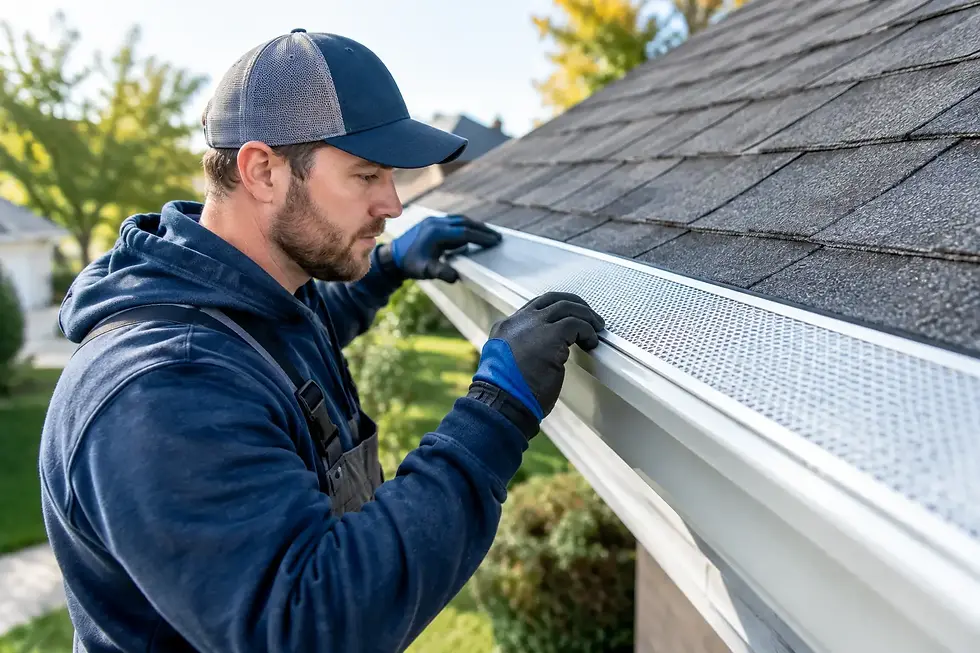
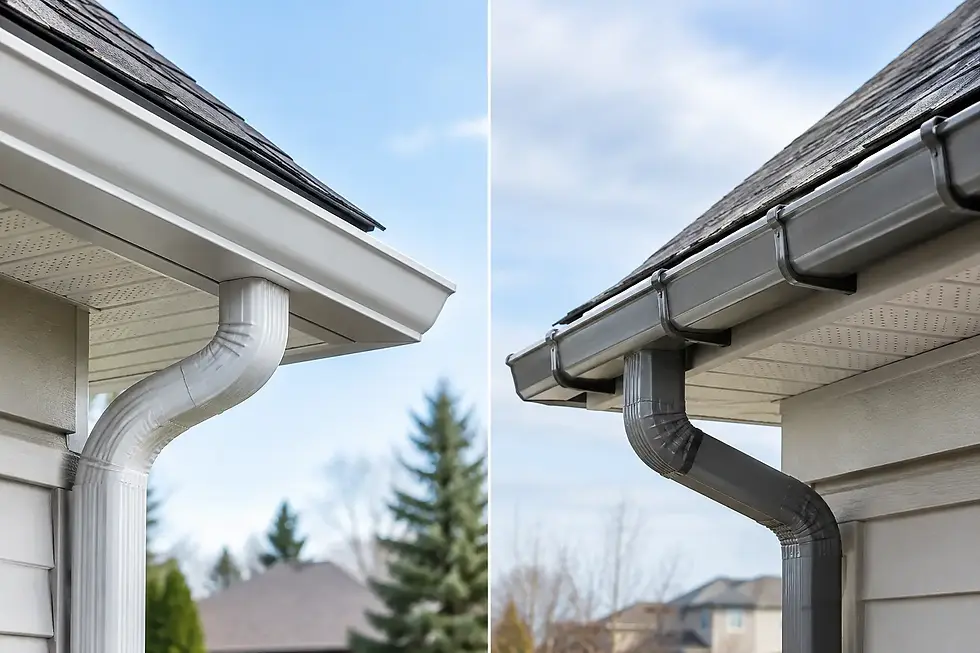
Eavestrough condition matters too. Eavestroughs do not cause most ice dams, but clogged or damaged sections can worsen drainage problems. Keep them clear before winter, make sure downpipes direct water away from the foundation, and repair loose or poorly sloped sections.
When an ice dam means you need a roof inspection
One small ice dam after an exceptional storm does not always mean the roof needs replacing. Repeated ice dams in the same area, however, deserve a closer look. So do water stains, peeling paint near exterior walls, attic frost, mouldy insulation, sagging eavestroughs, or shingle damage after ice removal.
Older homes can have several contributing issues at once: limited insulation, blocked soffit ventilation, ageing shingles, and leaky flashing. Addressing only one may reduce the problem without ending it. A full exterior assessment helps prioritise repairs and prevents money being spent on a temporary fix.
H2H Exteriors helps Winnipeg-area homeowners assess roof damage, drainage concerns, and exterior details that need attention after severe winter weather. Clear recommendations and a free estimate make it easier to decide whether you need a focused repair or a broader roof and water-management solution.
The safest long-term approach is simple: remove snow early when conditions allow, never attack ice with sharp tools, and investigate the heat and airflow issues behind recurring dams. A roof that stays cold, dry, and properly protected is far more likely to come through the next hard freeze without water finding its way indoors.

Comments