


Roof Repair Winnipeg Homeowners Can Rely On
For roof repair Winnipeg homeowners can rely on, timing matters. A dark spot on a ceiling after a spring thaw, a few shingles in the garden after high winds, or water running behind the eavestrough can all point to a problem that will become more expensive if left alone. Manitoba roofs handle snow loads, rapid freeze-thaw cycles, strong winds, summer hail and heavy rain. Small defects do not always stay small for long.
A proper repair is about more than replacing the visible shingle. The goal is to find where water is entering, correct the damaged area and make sure the surrounding roof system can continue protecting the home. That means looking at flashings, vents, valleys, edges and drainage as well as the shingles themselves.
Why roof damage needs prompt attention
A roof is designed to shed water away from the house. When a shingle cracks, lifts or disappears, the layers beneath it can be exposed to moisture. Water may travel along the roof deck or framing before it becomes visible inside, which is why a ceiling stain is not always directly below the source of a leak.
Delaying repairs can lead to softened roof decking, damaged insulation, mould growth and staining to ceilings or walls. In winter, ice can worsen an existing weak point. During a summer storm, wind-driven rain can push beneath loose materials that might otherwise have held up during a light shower.
There is also a practical cost consideration. A targeted repair may be the sensible choice when most of the roof remains in good condition. If damage is widespread or the roof is near the end of its service life, repeated patching can become poor value. An experienced local roofer should explain that distinction clearly, rather than pushing a replacement before it is needed.
Signs you may need roof repair in Winnipeg
Some roof problems are obvious, but many begin quietly. A quick visual check from ground level after major weather events can help you spot changes. Never climb onto a steep, wet or icy roof yourself.
Look out for these common warning signs:
Missing, curled, cracked or visibly lifted shingles
Granules collecting in eavestroughs or at the bottom of downpipes
Water marks, peeling paint or a musty smell in the loft or upper rooms
Damaged flashing around chimneys, skylights, plumbing vents or walls
Sagging roof lines, soft spots or loose soffit and fascia materials
Granule loss deserves attention, particularly on an older asphalt roof. Those granules help protect shingles from sunlight and weathering. A small amount is normal over time, but a noticeable build-up after a storm or across a roof nearing the end of its life can indicate deterioration.
Likewise, a leak is not always caused by worn shingles. Blocked eavestroughs, damaged fascia, poor flashing or ice-related water backup can all send moisture where it does not belong. Looking at the full exterior system provides a more reliable answer than treating every problem as a shingle issue.
What a proper roof repair assessment should cover
A useful assessment starts with the facts: where the issue is visible, when it appeared and whether it followed a storm, thaw or prolonged rain. From there, the roof should be inspected for both surface damage and the details that control water flow.
Shingles are checked for breakage, lifting and wear. Flashing is examined at roof transitions and penetrations, because these areas are common leak points. Valleys need particular care because they carry a high volume of water. Roof edges, vents and ridge caps should also be checked for gaps or deterioration.
Inside the home, signs in the loft can help reveal whether moisture is fresh, ongoing or older damage from a previous event. Ventilation is worth considering too. Poor airflow can contribute to condensation and premature material wear, although it is not a substitute explanation for a clear exterior leak.
The repair recommendation should match the condition of the roof. Replacing a handful of wind-damaged shingles and resealing a flashing detail is very different from repairing rotten decking or correcting a larger storm-damaged section. Homeowners deserve an honest estimate that sets out the work required, the material approach and whether further issues were found.
Repair or replacement: making the sensible choice
A repair is often appropriate when the roof is relatively young, damage is confined to one area and matching materials are available. It can restore the roof's water-shedding performance without the cost of a full reroof. This is particularly true after isolated wind damage or when a flashing failure has been identified early.
Replacement may be the better long-term decision when shingles are brittle across the roof, leaks have occurred in several areas, the roof deck has suffered moisture damage, or repairs have become frequent. If the roof is already close to the end of its expected lifespan, investing in a new roofing system can avoid spending money on short-lived fixes.
Material matching can also affect the decision. New shingles may not blend perfectly with older, weathered ones, even when they are the same product line. On a small rear section, that may not matter. On a prominent front roof slope, homeowners may prefer a broader repair area or replacement for a more consistent finish.
H2H Exteriors takes a practical approach: repair what can be repaired properly, and recommend replacement only when the condition of the roof makes it the more dependable option. With more than 20 years of local experience, the focus is on work that stands up to Winnipeg weather, not temporary patch jobs that simply move the problem to the next season.
Winnipeg weather makes the details matter
Winnipeg roofing work needs to account for conditions that are hard on every exterior component. Winter snow can sit on a roof for months. Thaws and overnight freezes create repeated expansion and contraction. Spring melt tests eavestrough capacity, while strong winds and hail can damage shingles in a single afternoon.
That is why installation details matter as much as the visible roofing material. Secure shingles, well-fitted flashing, properly finished valleys and sound edge protection all work together to direct water away from the house. Quality materials from recognised manufacturers help, but they still need correct installation and maintenance to perform as intended.
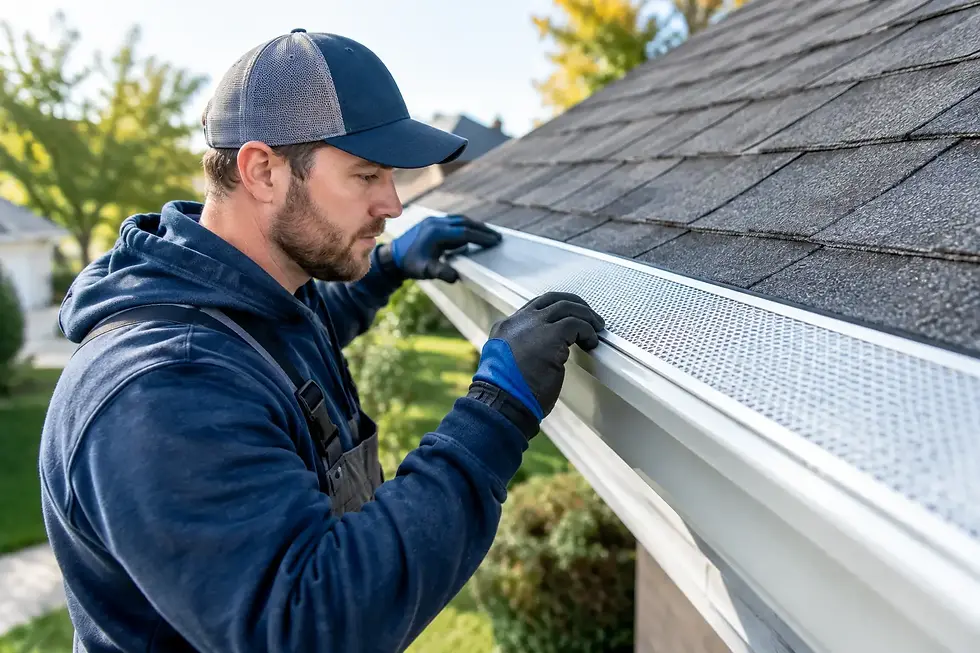
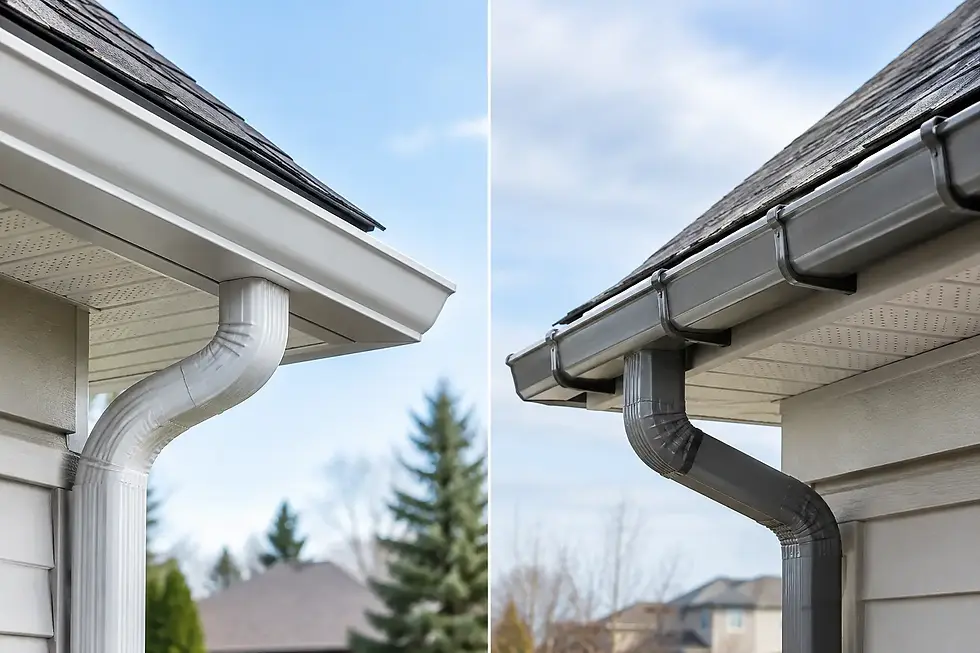
Eavestroughs also have a role in roof protection. When they are blocked with leaves, seed pods or debris, water can overflow against fascia, siding and foundations. In colder weather, poor drainage can contribute to ice buildup at the roof edge. Cleaning, repairing or upgrading the eavestrough system may be part of preventing the next roof-related water problem.
What to do after a storm
After high wind, hail or heavy rain, start with a safe inspection from the ground. Look for debris, fallen shingles, dented metal components and water entering the home. Take clear photographs if you can do so safely, especially before temporary clean-up changes the scene.
If water is actively coming in, move valuables away from the affected area and use containers to catch drips. Avoid disturbing ceilings that appear swollen or sagging, as wet plasterboard can become unstable. A roofing professional can assess the exterior damage and advise on the right next step.
Do not rely on sealant alone as a permanent repair for a lifted shingle, damaged flashing or open roof penetration. Sealants have a place in carefully specified repairs, but they cannot replace missing materials or correct underlying water damage. The durable answer is one that restores the proper layers and water path.
A roof repair that protects the rest of your home
Your roof, soffit, fascia, siding and eavestroughs are not separate concerns when rain and snow are involved. They are a connected system. A repair that addresses the source of water while checking the surrounding finishing details can help protect your home more effectively and reduce avoidable maintenance later.
If you have noticed a leak, storm damage or signs of shingle wear, arrange a free estimate before the next weather change tests the weak spot again. Clear advice, honest pricing and a repair completed properly can make a difficult exterior problem far more manageable.

Comments