


Eavestrough Winnipeg Homeowners Can Rely On
A Winnipeg eavestrough system has a demanding job. It must handle sudden summer downpours, autumn leaves, deep snow, spring thaw and ice without allowing water to collect near your foundation or run down your siding. When it is correctly sized, securely installed and kept clear, it quietly protects some of the most expensive parts of your home.
When it is not working properly, the warning signs can appear quickly: overflowing water, stained soffits, damp areas near the foundation, sagging sections or ice building along the roof edge. These issues are easy to dismiss at first, but water rarely stays where it lands. Addressing eavestrough problems early can help prevent avoidable repairs to fascia, siding, landscaping and the building envelope.
Why Eavestrough Winnipeg Homes Need Are Different
Manitoba weather puts drainage systems through more than a typical season of rain. A warm spell after heavy snow can send a large volume of meltwater towards the roof edge. Summer storms can overwhelm undersized or poorly pitched troughs. Wind carries leaves, seed pods and grit into open channels, while winter freeze-thaw cycles put strain on joints, hangers and downspouts.
That is why an eavestrough should not be treated as an isolated add-on. It works alongside the roof, fascia, soffit and siding to move water away from the home in a controlled way. If one component is worn, loose or incorrectly installed, the whole system can struggle.
The right solution depends on the property. A small bungalow with a simple roofline may only need a straightforward replacement and well-positioned downspouts. A larger home with valleys, multiple roof elevations or a steep pitch may need additional capacity in the areas where water concentrates. The goal is not to install more material than necessary. It is to create dependable drainage that suits the roof and directs water safely away from the foundation.
What a Proper Eavestrough System Does
Eavestroughs collect runoff from the roof and guide it to downspouts. Those downspouts then discharge water away from the house. It sounds simple, but performance relies on several details being right: the trough needs enough capacity, a consistent slope, secure fastening and properly sealed connections. The downspouts must be positioned where they can move water away without creating puddles beside the home.
A correctly installed system helps protect the fascia boards behind the trough. It also reduces the risk of water streaking down siding, washing out garden beds and pooling against the foundation. In older homes, replacing failing eavestrough can be a practical way to improve both appearance and moisture management at the same time.
Eavestroughs cannot solve every water issue on their own. Poor grading, blocked drains or damaged roofing can still cause trouble. However, a functioning system is an essential first line of defence, especially during rapid snowmelt and heavy rain.
Signs It Is Time for Repair or Replacement
A minor issue does not always mean the entire system needs replacing. A loose hanger, a small leak at a joint or a disconnected downspout may be repairable if the rest of the installation is in sound condition. Repair is often a sensible choice when the troughs are relatively new, straight and free from widespread corrosion or damage.
Replacement becomes the better investment when problems are repeated or structural. Watch for sections that sag even after cleaning, cracks along seams, peeling paint on fascia, rust, persistent overflow and troughs pulling away from the roofline. Water marks beneath the eaves can also indicate that runoff is escaping where it should not.
If you are replacing a roof, soffit or fascia, it is worth assessing the eavestrough at the same time. Completing connected exterior work together can avoid disturbing newly finished areas later. It also gives the installer a clear view of hidden damage along the roof edge.
Do Not Ignore Overflow During Rain
Overflow is one of the clearest signs of a drainage problem, but its cause is not always obvious. Debris may be blocking the trough or downspout. The trough may have settled out of pitch. In other cases, the roofline sends too much water into one section during a storm, and the existing system simply cannot keep up.
Cleaning may solve the problem, but not if the trough is undersized, badly supported or incorrectly arranged. A proper inspection looks at the full route water takes from roof to ground rather than treating every overflow as a cleaning issue.
Ice Is a Clue, Not Always the Cause
Ice in eavestroughs is common in Winnipeg winters. It can form when snowmelt reaches a cold roof edge and refreezes. Clearing visible ice without understanding why it forms may offer only a temporary result.
In some homes, attic insulation, ventilation or air leakage contributes to uneven roof temperatures. In others, clogged troughs or damaged components prevent meltwater from draining before temperatures drop. Eavestrough work can improve drainage, but a contractor should be honest about whether the issue also involves the roof or attic. A lasting repair starts with the correct diagnosis.
Choosing Materials and Protection That Make Sense
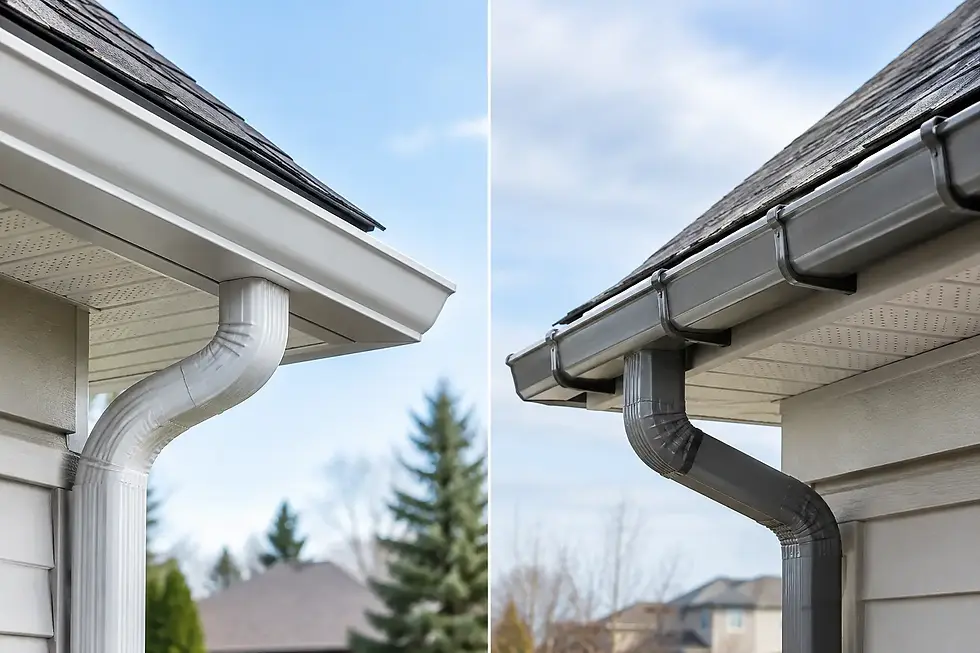
Aluminium eavestrough is a popular choice for residential properties because it is lightweight, durable and available in colours that complement siding, soffit and fascia. Seamless installations reduce the number of joints along long runs, which can reduce common leak points and create a cleaner finish.
The best material and profile depend on your home, your budget and the roof’s drainage needs. Matching the eavestrough colour to the exterior can make a noticeable difference to kerb appeal, but appearance should not override capacity and installation quality. A well-fitted system in a practical profile is better than a decorative option that cannot manage the water volume.
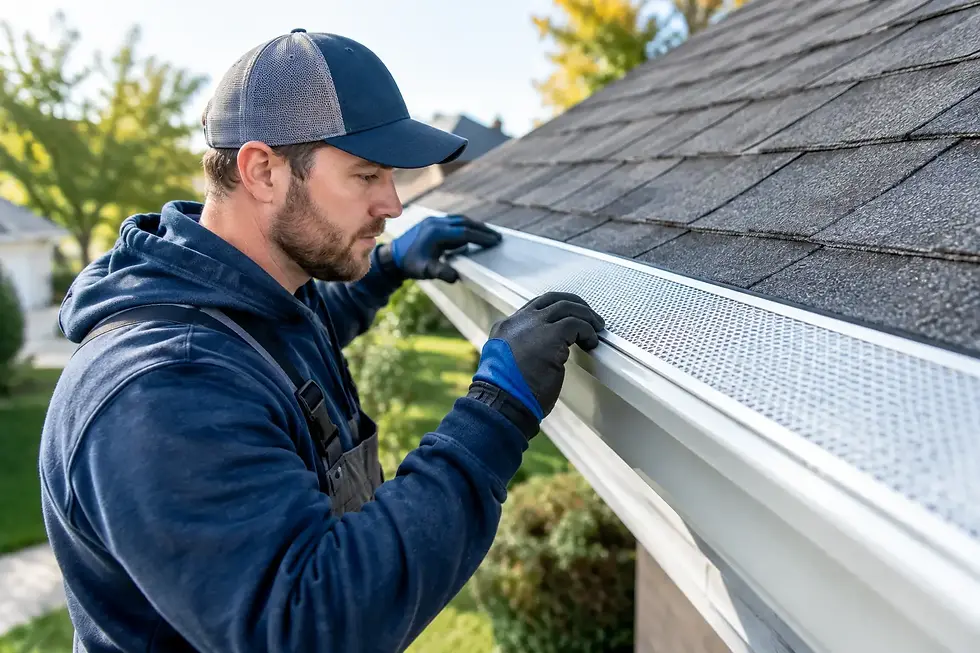
Leaf Guard protection can be worthwhile for homes with mature trees or difficult roof access. It helps limit leaves and larger debris entering the trough, reducing the need for frequent cleaning. It is not a promise that no maintenance will ever be needed. Fine debris can still collect, and downspouts should remain part of seasonal checks. The value is in reducing blockages and helping the system continue working when leaves begin to fall.
Installation Details That Affect Long-Term Performance
Good eavestrough work is mostly about details homeowners should not have to think about after the job is complete. Troughs need a measured fall towards the downspouts so water does not stand in low spots. Hangers must be fitted securely to support the system through snow, wind and changing temperatures. Connections require careful sealing, and downspouts need to be placed where they do not empty water against a walkway, doorway or foundation wall.
The fascia behind the trough matters too. If it is soft, rotted or poorly secured, attaching new eavestrough over it will not create a durable result. Any required fascia or soffit repairs should be addressed before the final installation. This is one advantage of working with an exterior contractor that understands roofing, siding and water-management finishing systems together.
At H2H Exteriors, eavestrough work is approached as part of the home’s overall weather protection. With more than 20 years of local experience, the focus is on honest recommendations, quality materials and workmanship suited to Manitoba conditions.
Simple Maintenance Between Professional Visits
Even a well-installed system benefits from regular attention. Check the troughs in spring after snowmelt and again after most leaves have fallen. Look for trapped debris, loose downspouts, standing water and areas where discharge is creating erosion or pooling.
Avoid climbing ladders in wet, icy or windy conditions. If access is unsafe, or if you can see damage from the ground, arrange a professional assessment. A small repair completed before the next storm is usually simpler than dealing with moisture damage after water has found its way behind the exterior finish.
When you request an estimate, ask whether the proposed work includes assessment of slope, hangers, downspout placement, fascia condition and debris protection options. Clear answers on these basics are a good sign that the job is being planned for long-term performance rather than a quick visual fix.
Your home does not need a complicated drainage system. It needs one that is properly fitted, kept clear and ready when Winnipeg weather changes without warning. A free estimate can give you a practical starting point before the next thaw or heavy rain tests the roofline.

Comments