


How to Choose Siding Materials for Your Home
A faded wall facing a Winnipeg winter is not just a kerb appeal issue. Cracked panels, loose trims and failing caulking can let wind-driven rain and melting snow reach places they should not. Knowing how to choose siding materials means looking beyond colour and finding a system that suits your home, budget and Manitoba’s demanding weather.
The right choice is rarely the most expensive option or the product with the boldest warranty. It is the material that performs well on your property, is installed properly around windows and doors, and works with your soffit, fascia and gutter system to keep water moving away from the house.
Start with Winnipeg weather, not appearance
Winnipeg homes face dramatic temperature swings, hard winter winds, hail, heavy snow and strong summer sun. Siding expands and contracts through those changes. It also has to handle moisture from rain, snowmelt and ice dams without trapping it against the wall.
That makes durability and installation details just as important as the face of the siding. A good-looking product can still underperform if there is damaged sheathing behind it, inadequate flashing around openings or no proper drainage plane. Before selecting a material, ask for the existing wall condition to be assessed, particularly if you have noticed staining, soft spots, peeling paint indoors, drafts or recurring moisture near windows.
Consider the orientation of your home as well. A south- or west-facing wall receives more sun and may show fading or movement sooner than a shaded side. The front elevation might justify a premium finish for appearance, while the less visible sides may be better suited to a more budget-conscious material. Mixing complementary materials can be a sensible choice when it is planned carefully.
Compare the main siding material options
Vinyl siding: practical and budget-friendly
Vinyl remains a popular choice for Winnipeg homeowners because it is cost-effective, low maintenance and available in a wide range of colours and profiles. It does not need painting, and modern premium vinyl products can offer better thickness, stronger profiles and improved resistance to everyday impacts than entry-level options.
Vinyl is a practical fit for many full-home replacements, rental properties and homes where keeping the project cost under control matters. The trade-off is that quality varies widely. Thin panels can be more prone to damage, distortion and a less solid appearance. Darker colours may also absorb more heat, so product selection and correct installation matter.
Look at panel thickness, wind rating, colour options, insulation backing and the quality of trims. Vinyl must be installed with room to expand and contract. Fastening it too tightly is a common mistake that can lead to buckling or warping over time.
Fibre cement: a durable, premium finish
Fibre cement siding, including recognized products such as James Hardie, gives a substantial look that suits traditional, craftsman and contemporary homes. It is non-combustible, resists rot and insects, and holds up well against harsh weather when installed and maintained correctly.
For homeowners who want the look of painted wood without the same level of vulnerability, fibre cement is often worth considering. It comes in lap siding, panels, shingles and trim options, giving more flexibility for a detailed exterior design.
The upfront cost is usually higher than vinyl, and installation requires experience. Fibre cement is heavier, needs precise cutting and depends on proper clearances and flashing to perform as intended. It will also need repainting eventually. That maintenance is not a drawback for every homeowner, but it should be part of the long-term budget.
Engineered wood: warm appearance with modern protection
Engineered wood siding offers the character of wood grain in a product designed to resist moisture and decay better than traditional wood siding. It can be a strong option for homeowners who want warmth, texture and a more traditional exterior without committing to the upkeep associated with natural wood.
As with fibre cement, success depends on correct installation. Edges, joints, fasteners and cut ends need proper treatment, and water must be directed away from the cladding. If your house has rooflines that dump water onto walls or overflowing gutters, those issues should be corrected before any new siding goes up.
Engineered wood can be an excellent middle ground, but review the manufacturer’s maintenance expectations before deciding. Some products require periodic painting or refinishing to maintain their protection and appearance.
Metal siding: clean lines and long-term resilience
Metal siding offers a crisp, modern finish and strong resistance to moisture, insects and fire. Steel and aluminium products can work especially well on contemporary homes, accent walls, garages and cottages. Products such as Longboard can also provide the refined look of wood in a low-maintenance metal profile.
Metal is durable, but it is not maintenance-free. It can dent from severe impacts, and the final appearance depends heavily on careful layout and trim work. It may also cost more than standard vinyl, particularly for custom profiles or larger architectural designs. For the right home, however, it provides a distinctive finish with dependable long-term performance.
How to choose siding materials for your budget
A siding estimate should be more than a price per square foot. The lowest figure may leave out wall repairs, old siding removal, house wrap, insulation upgrades, window trims, vents, flashing or disposal. Those details affect both the finished appearance and the protection behind the panels.
Think in terms of total ownership cost. Vinyl often has the lowest initial cost and minimal routine maintenance. Fibre cement and engineered wood may cost more at installation but can deliver a more premium appearance and potentially stronger resale appeal. Metal can be a long-lasting investment where its style and performance suit the property.
It also helps to set priorities before choosing colours and profiles. Decide whether your main goal is reducing maintenance, updating kerb appeal, improving protection after storm damage, or preparing a property for sale. A homeowner planning to stay for 20 years may make a different choice than someone renovating before listing the home.
Do not overlook the parts around the siding
Siding is one part of an exterior protection system. Water can enter at roof-to-wall intersections, windows, doors, vent penetrations and poorly finished corners. If those areas are not handled correctly, even premium siding will not solve an underlying moisture problem.
During a replacement project, inspect the condition of the following components:
House wrap and flashing behind the existing siding
Window and door trims, caulking and sill details
Soffit and fascia ventilation at the roof edge
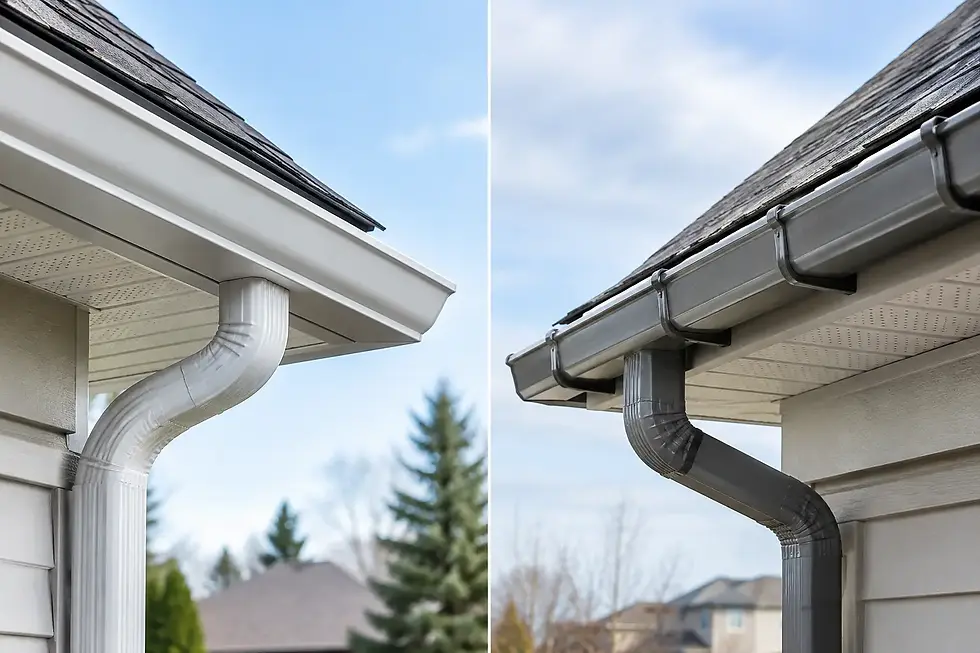
Gutter capacity, downpipes and drainage direction
Exterior wall damage, rot or pest-related deterioration
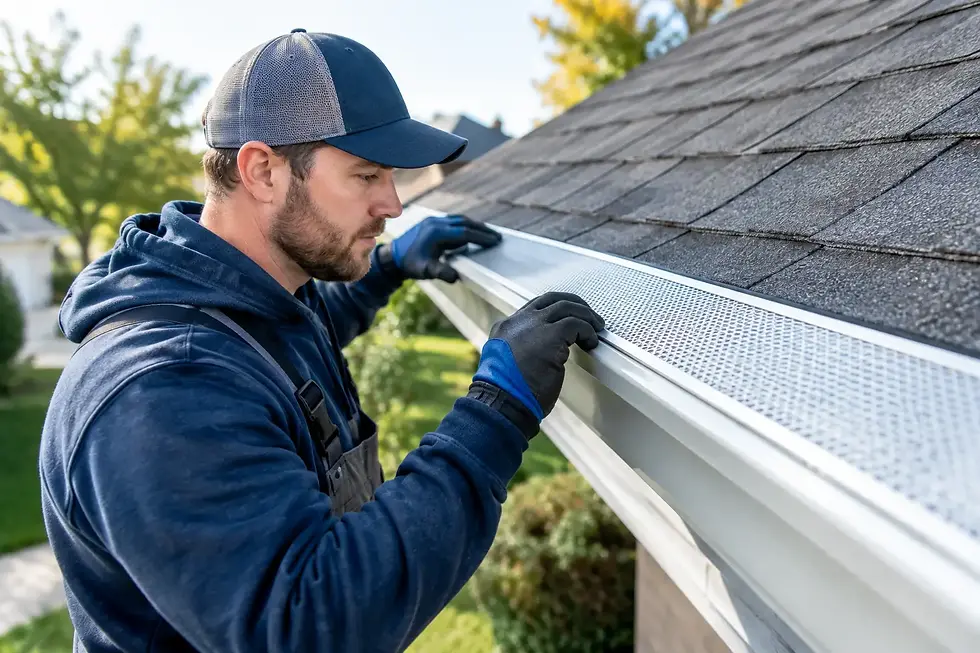
This is also a good time to consider whether your gutters are overflowing or frequently clogging with leaves and debris. Clean, properly pitched gutters and reliable downpipes protect siding by keeping runoff off the wall. Leaf Guard systems can reduce maintenance where tree debris is a recurring problem.
Choose a colour and profile that suits the whole home
Colour samples look different outdoors than they do under showroom lighting. View samples against your brick, stone, roofing, window frames and neighbouring exterior elements at different times of day. A colour that appears soft in shade may look much brighter in direct sun.
For a timeless result, many homeowners choose a neutral main colour with a contrasting trim. Darker accents around gables, doors or garage areas can add definition without making the entire exterior feel too heavy. If your roof has several strong tones, a simpler siding colour usually creates a more balanced result.
Profile matters too. Horizontal lap siding is versatile and familiar, while board-and-batten creates vertical height and a more modern farmhouse look. Shake-style accents can add character to gables, but using several profiles at once can make a modest home look overly busy. Let the architecture lead the design.
Work with an installer who understands local conditions
Material warranties do not replace good workmanship. Ask who will install the siding, how hidden wall damage will be handled, what flashing and weather barrier are included, and what workmanship warranty applies. A clear estimate should identify the material, profile, trims and scope of work so you can compare proposals fairly.
With more than 20 years of exterior experience, H2H Exteriors helps Winnipeg-area homeowners assess their siding choices alongside roofing, soffit, fascia and water-management needs. That whole-system approach can prevent a cosmetic upgrade from becoming a missed opportunity to fix the source of moisture or drainage trouble.
The best siding decision is the one that gives your home a finished appearance while protecting what sits behind it. Start with an honest assessment of your walls and drainage, choose a material that fits your long-term plans, and request a detailed free estimate before the next Manitoba season puts the exterior to the test.

Comments