


Asphalt Shingle Roof Installation Winnipeg
A Winnipeg roof can look sound from the street while moisture is already working beneath the shingles. Curling edges, missing granules, soft spots around penetrations and water stains in the loft are all warnings worth acting on. Asphalt shingle roof installation Winnipeg homeowners arrange should be built for more than appearance. It needs to handle deep freezes, spring melt, wind, summer heat and the rapid weather changes Manitoba is known for.
A new roof is also a system, not simply a layer of shingles. The decking, underlayment, flashing, ventilation and drainage details all affect whether water stays outside where it belongs. Getting those parts right at installation is far less costly than chasing leaks after the fact.
When a roof replacement makes more sense than repair
A repair is often the right answer when damage is limited to a small area, such as a few shingles lost in high wind or flashing that has failed around a vent. A local roof inspection can establish whether the rest of the roof remains in good condition.
Replacement becomes the sensible long-term choice when wear is widespread, the roof is nearing the end of its expected service life, or leaks keep appearing in different areas. Repeated patching can make a roof look uneven and may not resolve the issue underneath. If the roof deck has suffered moisture damage, covering it with new shingles without repairing the base will only delay a bigger problem.
Homeowners should arrange an assessment if they notice several of the following signs:
Shingles that are curling, cracking, bald or regularly blowing off
Granules collecting in eavestroughs or at the bottom of downpipes
Water staining, mouldy odours or damp insulation in the loft
Sagging roof lines or visible deterioration at the eaves
A roof that has received several repairs and is still causing concern
Age matters, but it is not the only factor. A well-installed roof with good ventilation may last longer than expected, while one exposed to poor drainage or storm damage may need attention sooner.
Asphalt shingle roof installation in Winnipeg: what the work involves
A proper installation starts with a clear look at the existing roof. Contractors check the condition of the deck, roof slope, valleys, chimneys, vents, skylights and edges. They also consider how meltwater is likely to move across the roof and into the eavestrough system.
The old roofing materials are then removed where a full reroof is needed. This allows the deck to be inspected properly. Rotten or weakened plywood must be replaced before any new roofing goes on. A sound, dry deck gives shingles the stable surface they need to perform as intended.
Next comes the water-management layer. Depending on the roof design and local conditions, this may include ice and water protection at vulnerable areas, quality underlayment across the deck, drip edge at the roof perimeter and careful flashing at every transition. Valleys, plumbing stacks, chimneys and wall intersections deserve particular attention because they direct or interrupt water flow.
Shingles are installed in straight, correctly fastened courses, following the manufacturer’s requirements for the product and roof slope. Rushing this stage can lead to exposed nail heads, poor alignment, wind vulnerability and reduced warranty protection. The finished roof should look clean, but the details hidden beneath it are what deliver reliable performance.
Choose shingles for weather performance, not just colour
Asphalt shingles remain a practical choice for many Winnipeg homes because they offer dependable protection, a wide choice of styles and manageable replacement costs. Architectural shingles are a popular option. Their laminated construction gives the roof more dimension than traditional three-tab shingles and can provide stronger wind performance, depending on the product selected and how it is installed.
Colour should suit the home’s brick, siding and trim, but dark versus light is not only a style decision. Dark shingles can make snow melt sooner in some conditions, while lighter shades may reduce heat absorption in summer. Neither choice removes the need for proper ventilation and drainage.
The right shingle also depends on roof shape and budget. A simple gable roof is generally more straightforward to roof than a home with many valleys, dormers, skylights and steep sections. Those features create more labour and more flashing work, so an honest estimate should account for them rather than offering one vague price.
Recognised manufacturers such as CertainTeed offer options across different price points. The best fit is usually the shingle system that matches the home, the roof design and the owner’s plans for the property, not necessarily the most expensive one available.
Ventilation and drainage protect the investment
Heat and moisture trapped in the loft can shorten the life of a roof from the inside. In winter, warm indoor air can contribute to frost buildup in the loft. When temperatures rise, that frost melts and may be mistaken for a roof leak. In summer, excess heat can make the roof system work harder than it should.
Balanced intake and exhaust ventilation helps move that heat and moisture out. The exact solution depends on the house, insulation levels and existing roof design. Adding vents without considering airflow can be ineffective, so ventilation should be reviewed as part of the whole roofing project.
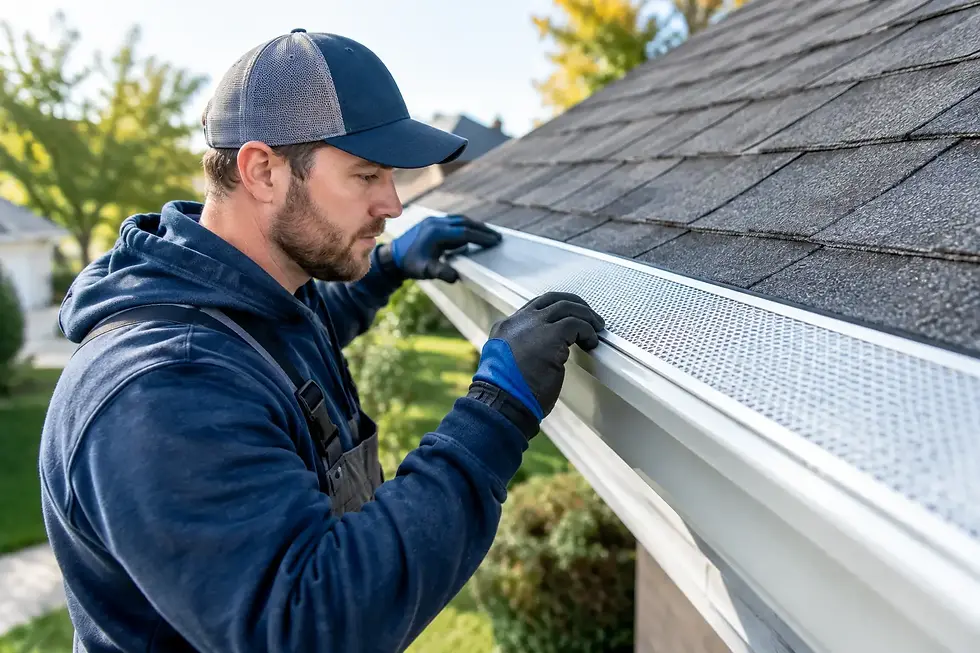
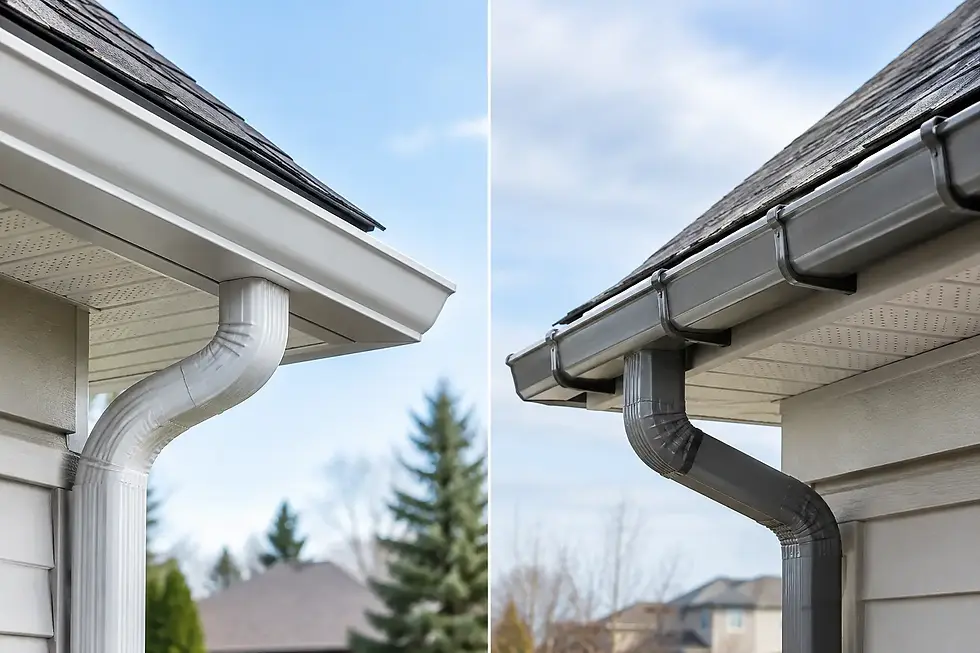
Eavestroughs, soffit, fascia and downpipes also matter. If eavestroughs are clogged or poorly pitched, water can spill back towards the fascia and foundation. During freeze-thaw conditions, blocked drainage contributes to ice buildup along the eaves. A roof replacement is a good opportunity to inspect these connected exterior components and address weak points together.
Timing a Winnipeg roofing project
Dry, moderate conditions make roofing work more straightforward, which is why spring through autumn is often the preferred window. However, the best time is not simply the first warm day on the calendar. The roof must be dry, site conditions must be safe and materials need to be handled according to manufacturer guidance.
If a roof is actively leaking, missing large areas of shingles or has suffered storm damage, waiting for a perfect season may not be wise. Temporary protection or prompt repairs may be needed to prevent further damage inside the home. A contractor should explain what can be safely completed now and what may need to wait for suitable conditions.
Homeowners can also make the process easier by clearing vehicles and outdoor items from the driveway, protecting fragile garden features and planning for normal construction noise during working hours. Roofing involves material delivery, removal of old shingles and work overhead. A well-organised crew keeps disruption to a minimum, but it is still an active building site for a short period.
What to expect from a clear roofing estimate
A useful estimate explains the work rather than leaving homeowners to guess what is included. It should identify the roofing materials, removal and disposal, deck repairs if required, underlayment, flashing, ventilation work and site clean-up. It should also set out workmanship warranty coverage and any product warranty information that applies.
Be cautious of quotes that focus only on a low total. If the estimate does not describe the materials or the treatment of valleys, edges and penetrations, it may exclude details that affect the roof’s lifespan. Price matters, especially for a major household expense, but value comes from a roof that does not need premature repair.
With more than 20 years of local exterior experience, H2H Exteriors approaches roofing as part of the home’s wider protection system. That means looking beyond the shingle surface to the drainage, ventilation and finishing details that help protect the property through Manitoba weather.
A roof does not have to be failing dramatically before it deserves attention. If you are seeing wear, dealing with recurring leaks or planning to stay in your home for years, a free, straightforward assessment can give you a clear basis for the next decision.

Comments