


Soffit Fascia Installation for Manitoba Homes
A roof edge can look like a minor detail until water begins staining the siding, birds find a way into the eaves, or a winter thaw leaves ice where it should not be. Proper soffit fascia installation protects one of the most exposed parts of a home: the transition between the roof, walls and eavestrough system. For Winnipeg homeowners, that protection needs to stand up to wind, snow load, rapid temperature changes and spring melt.
Soffit and fascia are often replaced at the same time as roofing, siding or eavestroughs because they work together. When one part is worn, poorly fitted or blocked by failing drainage, the rest of the roofline can suffer. A clean finish matters for kerb appeal, but the real value is keeping moisture and pests away from the structure behind it.
What soffit and fascia do at the roofline
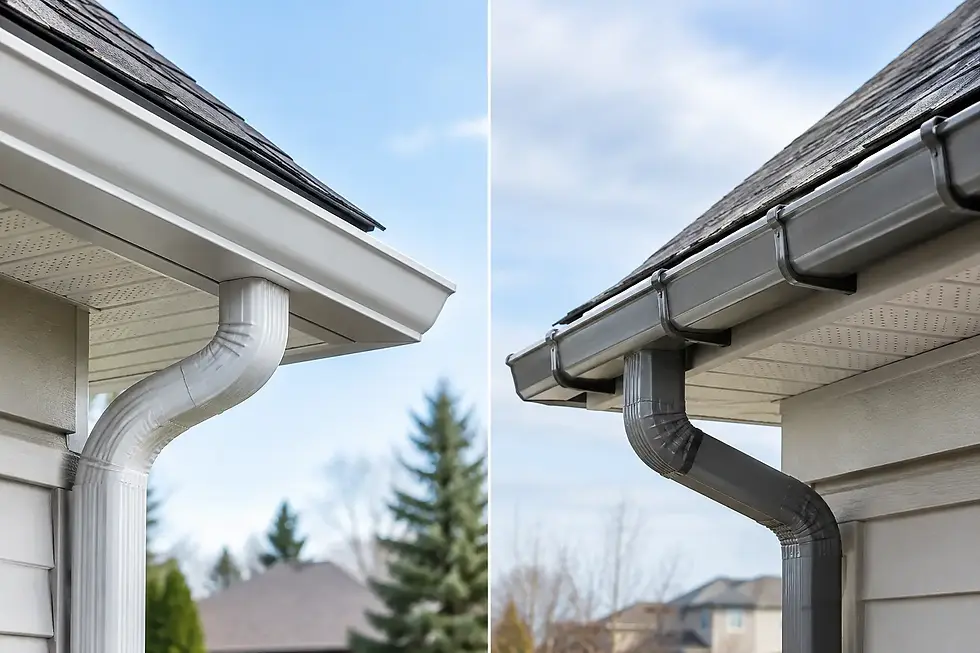
Fascia is the finished board or metal covering fixed along the lower edge of the roof. It creates a straight, tidy line and provides the mounting surface for eavestroughs. Behind it is the roof edge, where poor drainage or damaged materials can allow water into the woodwork.
Soffit is the material underneath the roof overhang. It closes in the eaves while allowing the roof space to breathe when vented products are used. That airflow helps move warm, moist air out of the attic, reducing the conditions that can contribute to condensation, mould, frost buildup and premature roof deterioration.
Neither component should be treated as decoration alone. A fascia that is loose, bent or rotting may no longer support the eavestrough correctly. A soffit with blocked vents can limit attic ventilation. If the eavestrough is overflowing, water may repeatedly soak the fascia and work its way into the roof edge.
Signs it is time to replace soffit or fascia
Some problems are easy to see from the ground. Peeling paint, sagging sections, gaps at corners, loose eavestroughs and visible stains beneath the overhang are all reasons to arrange an inspection. Look up after a heavy rain or spring melt too. Water running behind an eavestrough rather than into it can point to a drainage issue, an improperly positioned drip edge, or fascia damage.
Other signs are less obvious. Animals or insects entering the eaves, recurring ice damming, attic condensation and damp patches near exterior walls can all be connected to roofline ventilation or moisture management. These symptoms do not always mean the soffit is the sole cause. Insulation levels, roof ventilation and eavestrough drainage also need to be considered before deciding on the repair.
Age is another factor. Older wood fascia may be sound in places but soft behind an eavestrough where water has been sitting for years. Spot repairs can make sense when damage is localised and the surrounding system is in good condition. When the roof, eavestroughs and trim are all approaching the end of their service life, a coordinated replacement is usually the more dependable option.
How professional soffit fascia installation is completed
A proper installation starts with more than measuring the visible edge. The contractor checks the condition of the existing fascia board, roof decking at the eaves, drip edge, rafter tails and eavestrough attachment points. Any rot or structural damage must be addressed before new finishing materials cover it up. Installing aluminium fascia over failed wood may improve the appearance for a while, but it does not solve the underlying problem.
Next comes a plan for ventilation and drainage. Vented soffit panels are selected and placed to support the home’s attic ventilation design. The amount of ventilation required depends on the roof layout, insulation and existing ridge or roof vents. More venting is not automatically better if the system is unbalanced or openings are blocked by insulation inside the attic.
The fascia covering is then fitted to create a straight, secure edge. Corners, joints and transitions need careful trimming because these areas receive wind-driven rain and snow. Eavestroughs should be fastened securely, sloped correctly towards downpipes and positioned so runoff enters the trough rather than slipping behind it.
Finally, the work should be checked as a complete roofline system. That includes confirming soffit panels are secure, vents are open, flashing details are sound and eavestroughs drain as intended. The best-looking finish is not much help if water is still being sent towards the house foundation.
Material choices: vinyl, aluminium and wood
Vinyl soffit is a common choice for residential homes because it is low maintenance, available in vented styles and does not require regular painting. It suits many siding projects, particularly when colour matching is important. Quality and installation matter, though. Vinyl expands and contracts with temperature changes, so it needs room to move without buckling or pulling apart.
Aluminium fascia is widely used because it creates a crisp finish over sound fascia boards and holds up well against moisture. It is practical around eavestroughs and can be matched with soffit, siding and trim colours. A properly formed aluminium finish is durable, but it can be dented by ladders, branches or impact, so care is still needed around the roofline.
Wood remains appropriate for certain homes and architectural details, but it needs ongoing maintenance. Paint failure, trapped moisture and missed caulking repairs can lead to rot. For many Manitoba homeowners, low-maintenance vinyl and aluminium systems offer the better balance of appearance, durability and long-term upkeep.
Why Manitoba weather changes the job
Winnipeg homes face a demanding cycle: hard winter cold, deep snow, freeze-thaw periods, strong winds, summer rain and debris from mature trees. The roofline has to handle all of it. Materials can expand, contract, ice up and take on wind-driven moisture over the course of a year.
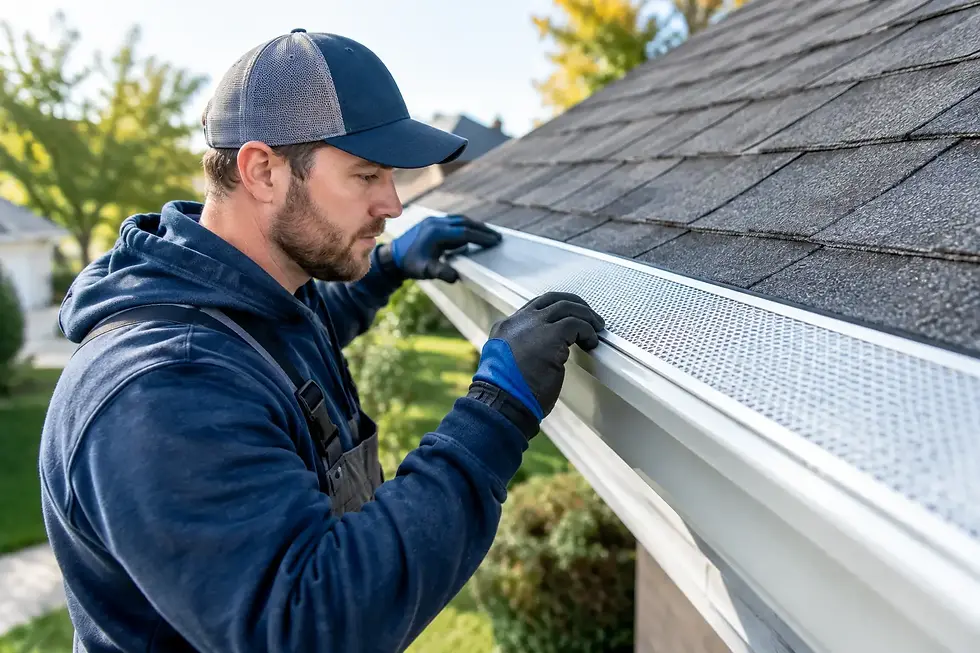
That is why soffit and fascia work should not be separated from water management. Eavestroughs that are undersized, loose or clogged can send water over the edge and onto the fascia. Downpipes that discharge too close to the foundation can create a separate moisture problem at ground level. Leaf Guard systems can reduce debris buildup for homes surrounded by trees, but they still need to be paired with correctly pitched, securely mounted eavestroughs.
Ice dams also require a practical diagnosis. New fascia will not stop ice dams caused by heat escaping into the attic. In those cases, insulation, air sealing and ventilation may need attention alongside any roofline repair. An experienced exterior contractor should explain what the visible damage means and where further investigation is needed, rather than promising that one product will solve every issue.
Plan roofline work with roofing or siding where possible
If a reroof, siding replacement or eavestrough upgrade is already planned, it is often sensible to include soffit and fascia in the scope. Coordinating the work allows the roof edge, flashing, trim and drainage to be fitted in the right order. It also avoids removing recently installed materials to correct an overlooked detail later.
This is especially useful when a new roof has exposed damaged decking or when siding replacement reveals moisture damage around the eaves. A single contractor managing the connected exterior systems can provide a clearer plan, reduce handoffs between trades and help ensure colours and finishes work together.
That said, urgent repairs should not wait for a future renovation. If fascia is pulling away, eavestroughs are unstable or water is entering the roof edge, address the issue promptly. A focused repair can protect the home now while giving you time to plan larger exterior work properly.
Choosing an installer you can rely on
Ask what is being installed, how ventilation will be maintained and whether the existing wood behind the fascia will be inspected. The estimate should explain the scope clearly, including removal of damaged materials, repairs if hidden rot is found, eavestrough work and cleanup. Honest pricing means understanding what is included before the crew arrives.
Local experience also matters. A contractor familiar with Manitoba homes understands that the roofline is not simply a finishing detail. It is part of the home’s defence against moisture, snow and seasonal debris. H2H Exteriors brings more than 20 years of exterior experience to roofing, siding and water-management finishing systems, with work planned around durable results rather than quick cosmetic fixes.
If your eaves look worn, your eavestroughs are overflowing or you are planning a larger exterior upgrade, arrange a free estimate before another season puts the roof edge under strain. A well-fitted soffit and fascia system gives your home a clean finish, but more importantly, it gives water and airflow the controlled path they need.

Comments