


Vinyl Siding Installation for Winnipeg Homes
A loose panel or faded wall can make a home look tired, but the bigger concern is what may be happening behind it. In Winnipeg, vinyl siding installation is not simply a cosmetic upgrade. Done properly, it helps manage wind-driven rain, protects vulnerable wall areas and gives your home a clean, durable finish through Manitoba’s hard weather.
The quality of the finished job depends on far more than the colour selected. The condition of the existing walls, the detailing around windows and doors, ventilation, flashing and fitting all affect how well siding performs over time. Homeowners who address these details at the start are less likely to face moisture problems, warping or costly repairs later.
What a proper vinyl siding installation involves
Vinyl siding is a practical choice for many Winnipeg homes because it is low maintenance, economical and available in a wide range of colours and profiles. It does not need painting, and quality products can hold their appearance well when installed with the right allowance for seasonal movement.
That last point matters. Vinyl expands in heat and contracts in cold. Panels must be secured firmly enough to stay in place during high winds, but not nailed so tightly that they cannot move. Over-fastening can cause buckling, rippling and visible distortion when temperatures change. Correct fastening, straight starter strips and carefully aligned courses are the basics of a finish that looks right from every angle.
A professional installation also begins with a close inspection of the exterior wall. Damaged sheathing, soft wood, missing flashing or signs of water entry should be dealt with before the new siding goes on. Covering an existing problem may make the wall look better temporarily, but it does not protect the structure underneath.
Moisture control comes before the visible finish
Siding sheds most rainwater, but it is not the home’s only moisture defence. Wind can drive water behind exterior cladding, especially around windows, doors, vents and wall penetrations. The wall needs a properly installed weather-resistive barrier and well-integrated flashing to guide any water back outside.
This is one reason experienced local workmanship matters. A neat-looking exterior can still fail if the details behind the panels are wrong. Flashing must direct water outward, not trap it against framing. Openings need careful trim work, and all transitions between siding, roofing, soffit and masonry require attention.
For older homes, removing worn cladding can reveal issues that were not visible from the ground. That can include deteriorated sheathing, failed caulking or insufficient protection around windows. An honest contractor will explain what has been found, why it matters and what repair is needed before moving ahead.
Soffit, fascia and eavestroughs should work with the siding
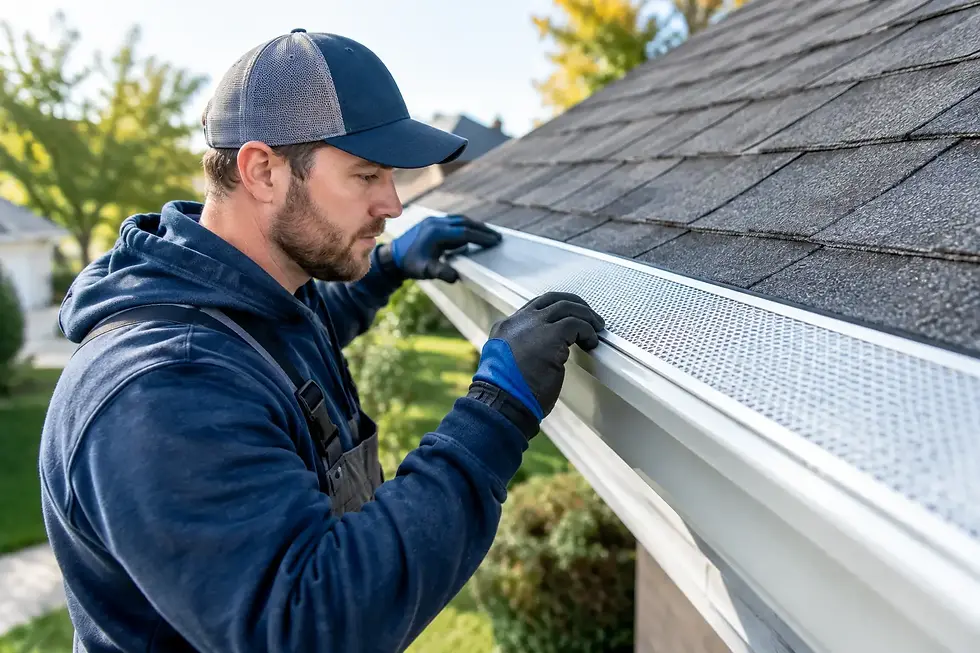
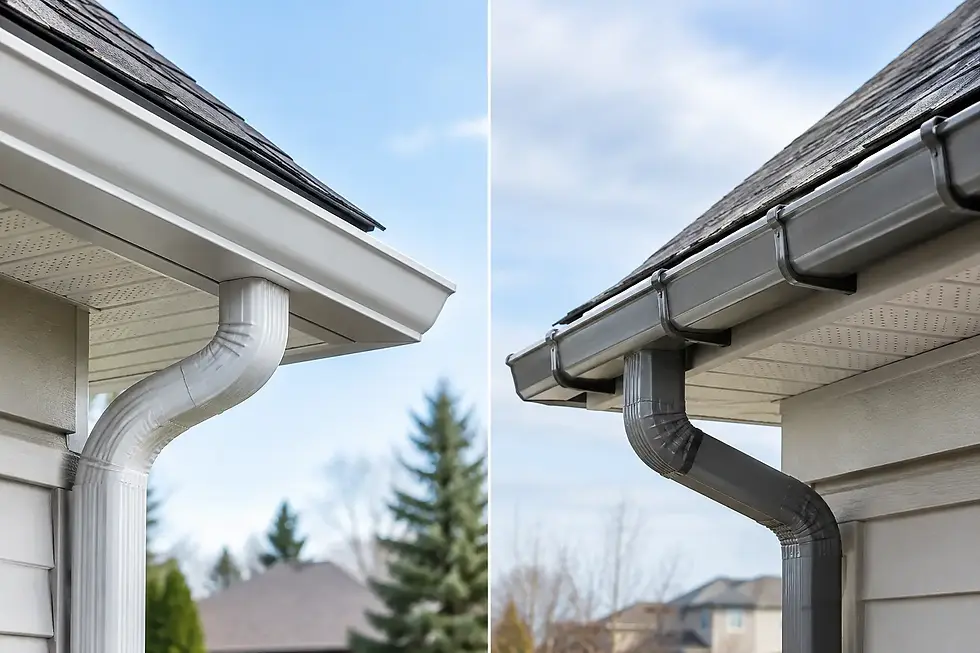
Siding is only one part of the exterior system. Soffit supports roof ventilation, fascia provides a finished edge for eavestroughs, and properly functioning eavestroughs move water away from the foundation. If one component is failing, the others can be affected.
For example, overflowing eavestroughs can repeatedly wet fascia boards and wall sections near the roofline. Poor attic ventilation may contribute to moisture and ice-related problems at the roof edge. Completing siding alongside soffit, fascia and eavestrough work often produces a cleaner finish and avoids having separate trades disturb newly completed areas.
Choosing vinyl siding for Manitoba conditions
Not all vinyl siding is the same. Thickness, panel profile, colour range, impact resistance and warranty coverage vary by product line. The right choice depends on your home’s design, exposure to wind, budget and the condition of the rest of the exterior.
Standard vinyl siding is a dependable option for homeowners who want a clean, low-maintenance update at a sensible cost. Insulated vinyl siding may suit a project where added wall comfort and a firmer panel feel are priorities, although it is not a substitute for properly insulating the wall cavity. Premium profiles can offer deeper shadow lines and a more substantial appearance, particularly on larger elevations.
Darker colours deserve a practical conversation. They can give a home a strong modern look, but dark cladding absorbs more heat in direct sun. Product selection and installation details need to suit the colour chosen. A contractor should not push a style that looks good in a brochure but is poorly matched to the building or local conditions.
It is also worth considering whether vinyl is the best material for every section of the property. Vinyl works well for many homes, while premium siding products such as fibre cement, engineered materials or Longboard-style finishes may be better suited to a feature wall, high-impact frontage or a particular architectural style. A balanced recommendation should reflect the home, not a one-size-fits-all sales pitch.
Replace old siding or install over it?
Installing new vinyl over existing siding can sometimes be considered when the underlying surface is sound, flat and dry. It may reduce demolition costs, but it can also conceal problems and make proper inspection difficult. It is rarely the right answer where there are signs of rot, loose cladding, uneven walls, moisture damage or outdated detailing around openings.
Full removal gives the installer access to the wall behind the cladding. That makes it possible to repair damaged areas, improve the weather barrier and install new flashing correctly. The up-front cost may be higher, but it often provides better long-term value when an older exterior has reached the end of its useful life.
The decision should be based on the condition of the property, not just the quickest price. A clear site assessment and written estimate help homeowners understand what is included and where any additional repair work may be required.
Timing, preparation and what to expect on site
Siding work can be completed through much of the year when conditions allow, though stable weather makes scheduling and detailed finishing easier. The project begins with material ordering, colour confirmation and a review of the scope. Before work starts, homeowners should move outdoor furniture, planters and fragile items away from exterior walls and ensure access to gates, driveways and electrical outlets where needed.
During removal, there will be noise and debris. A careful crew protects landscaping where practical, keeps the work area organised and removes old material as the project progresses. Once the wall is exposed, any required repairs should be discussed before they are covered.
The installation then moves from preparation to starter strips, trim, panels and final finishing. Windows, doors, corners, utility penetrations and roof-to-wall connections all require accurate cuts and proper clearance. The final inspection should check for straight lines, secure trim, clean transitions and eavestrough components that drain as intended.
Warning signs that should not wait
Siding does not need to be visibly falling off before it deserves attention. Cracks after a hailstorm, panels lifted by wind, recurring staining below an eavestrough, gaps around trim or soft spots near windows are all reasons to arrange an inspection. The sooner water entry is found, the more likely the repair stays limited.
Homeowners should also pay attention to sudden increases in drafts, peeling paint on interior window trim or damp marks near exterior walls. These symptoms do not always originate with siding, but they warrant a proper exterior assessment rather than another round of surface caulking.
H2H Exteriors brings more than 20 years of local exterior experience to siding, roofing and water-management work. That wider view helps ensure a siding project is considered alongside the roof edge, soffit, fascia and drainage details that protect the rest of the home.
A well-planned siding project should leave you with more than improved kerb appeal. It should give you confidence that water is being directed where it belongs and that the exterior is ready for the next Manitoba storm. Before choosing a colour or profile, arrange a free estimate and ask for a clear assessment of the wall system behind the siding.

Comments