


Best Siding for Cold Climates That Holds Up
- Glen Horoshok
- 6 days ago
- 5 min read
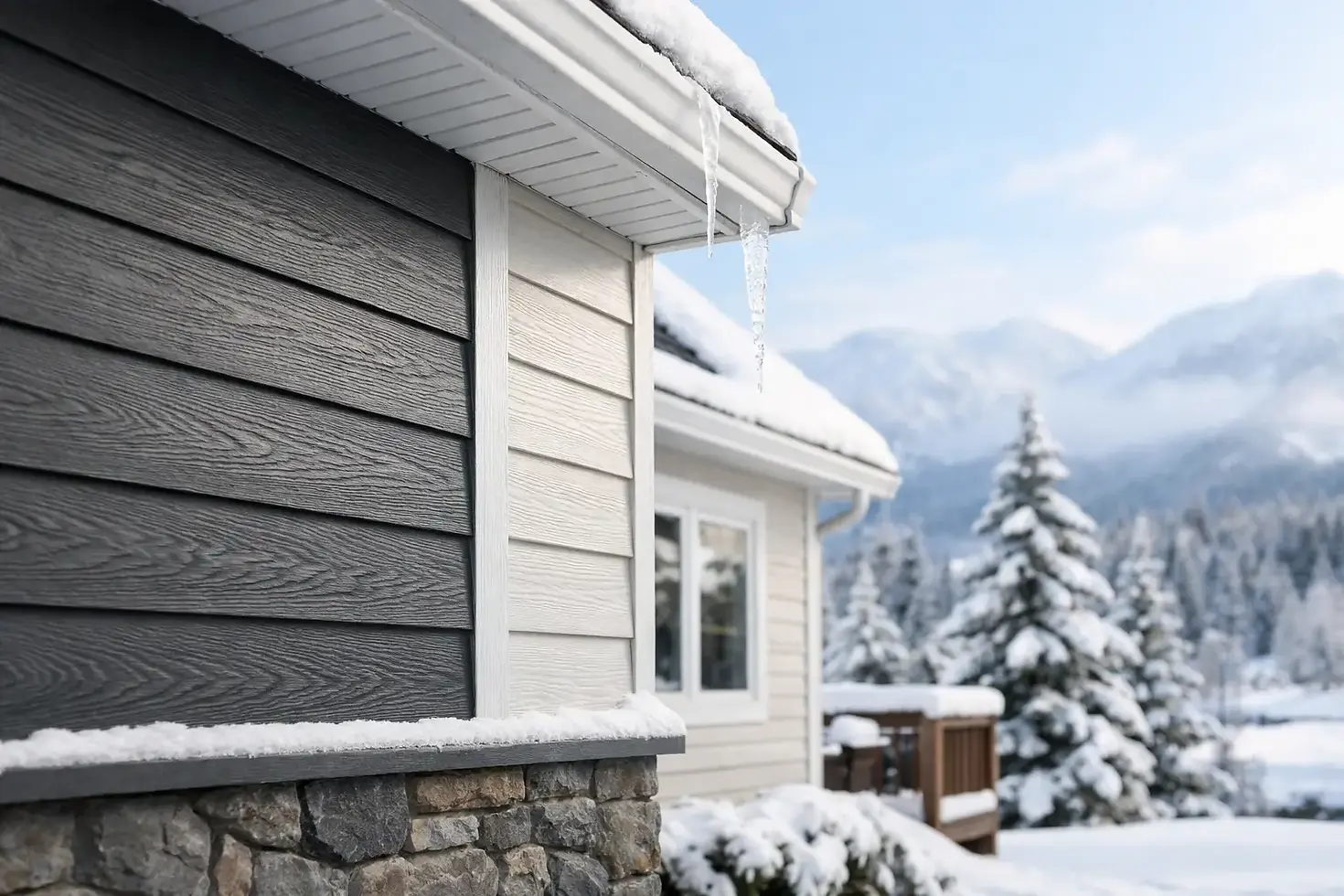
A Winnipeg winter quickly exposes weak exterior finishes. Siding that looked fine in autumn can become brittle, loose or warped after repeated freeze-thaw cycles, driving snow and sharp temperature swings. Choosing the best siding for cold climates means looking beyond colour and curb appeal. The material, insulation, moisture control and installation details all need to work together.
For Manitoba homes, there is no single right choice for every property. A well-installed vinyl siding system can be an excellent, budget-conscious option. Fibre cement can offer a premium, durable finish. The better fit depends on your home’s condition, your maintenance expectations and how much protection you want from cold, wind and moisture.
Best Siding for Cold Climates: The Main Options
The right siding should tolerate low temperatures without cracking, manage moisture behind the cladding and stay secure when wind-driven snow reaches every exposed wall. It should also suit the building itself. Older homes, newer infill properties and cottages can have very different wall assemblies and ventilation needs.
Insulated vinyl siding
For many homeowners, insulated vinyl is one of the most practical choices for a cold climate. Standard vinyl siding is affordable, low maintenance and available in a wide range of colours and profiles. When installed correctly, it sheds rain and melting snow effectively without requiring regular painting.
Insulated vinyl adds a rigid foam backing that helps reduce thermal bridging through the exterior wall. It will not transform an under-insulated wall on its own, but it can make the exterior feel more solid and improve comfort near outside walls. The backing also helps the panels resist dents and waviness.
Vinyl does expand and contract as temperatures change. That is normal. The issue is not the material itself, but poor installation. Panels need correct clearance at trims and proper fastening so they can move without buckling. In severe cold, a rushed installation or overly tight nailing can lead to cracking and distortion later.
Fibre cement siding
Fibre cement is a strong option for homeowners who want a more substantial finish and the look of painted wood without wood’s regular upkeep. It performs well against moisture, rot, insects and fire. Its stability through temperature changes makes it particularly attractive for exposed elevations and homes that face frequent wind.
The trade-off is cost and installation requirements. Fibre cement is heavier than vinyl, requires precise cutting and needs experienced installation to maintain correct clearances, flashing and joint treatment. Pre-finished boards can reduce future painting needs, while primed products will require a quality exterior paint system.
Fibre cement is not maintenance-free. Caulking, paint condition and clearances around roofs, decks and landscaping should still be checked. However, when it is installed as part of a well-managed wall system, it offers long-lasting protection and a premium appearance.
Engineered wood siding
Engineered wood products can give a warm, traditional look while offering better dimensional stability than natural wood siding. Many homeowners choose it for its deep grain patterns, broad colour options and easier handling compared with fibre cement.
It can work well in cold climates, but it needs careful moisture management. Edges, cuts and penetrations must be properly sealed, and the siding must be kept clear of soil, standing water and roof runoff. If a property has overflowing eavestroughs or poor grading, fix those water issues before investing in any wood-based exterior finish.
Metal and premium cladding
Metal siding and premium cladding systems can be a good fit for contemporary homes, cabins and feature walls. Metal is durable, non-combustible and resistant to rot, while premium aluminium and composite products can provide clean lines with minimal maintenance.
These materials are not automatically the best choice for every house. They often cost more, and poor detailing around windows, corners and transitions can spoil their performance and appearance. Their strength is in a carefully planned installation where trims, flashings and fastening systems are designed for movement and weather exposure.
What Cold Weather Does to Siding
Cold itself is only part of the problem. Manitoba siding must manage a cycle of snow, thaw, wind, ice and moisture. Water can enter through small gaps around windows, vents or damaged trim, then freeze as temperatures fall. Over time, that movement can open joints, loosen fasteners and damage the materials behind the siding.
Wind matters just as much. A loose panel may seem like a minor repair in summer, but strong gusts can lift it further and expose the wall to rain and snow. Wind-driven moisture does not need a large opening to cause trouble. It can reach behind siding, wet the sheathing and contribute to mould, rot or insulation damage if the wall cannot dry properly.
Sun exposure also affects the decision. South and west-facing walls can experience large temperature shifts in a single day. Darker colours may absorb more heat, which makes correct product selection and fastening especially important for vinyl and other materials that move with changing temperatures.
The Installation Details Matter as Much as the Material
Even premium siding cannot compensate for poor water management. Before new cladding goes on, the contractor should inspect the existing wall for rot, damaged sheathing, missing flashing and signs of moisture intrusion. Covering a problem wall without repairs only hides the issue until it becomes more expensive.
A reliable siding system includes a weather-resistive barrier behind the cladding, correctly integrated window and door flashing, and suitable trim details. These layers direct water back to the exterior rather than allowing it to reach the wall structure. Where required, a drainage space behind the siding helps moisture escape and supports drying.
Soffit, fascia and eavestroughs also deserve attention during a siding project. Clogged or undersized eavestroughs can send water down the face of the building, saturate trim and stain siding. Ice buildup can worsen the problem in winter. Keeping roof runoff under control protects the new finish and the foundation below it.
Installation timing matters as well. Siding can be installed in cooler weather when the work is planned correctly, but installers need to follow the manufacturer’s requirements for handling, cutting, fastening and sealing products in low temperatures. This is not the place for shortcuts.
Matching Siding to Your Home and Budget
If your priority is dependable protection at a sensible price, quality vinyl or insulated vinyl is often the strongest starting point. It suits many Winnipeg homes, requires little routine upkeep and can deliver a clean, consistent finish when installed properly.
If you are planning a long-term exterior upgrade and want a more architectural appearance, fibre cement may justify the higher initial cost. It is particularly worth considering where a home has high visibility, harsh exposure or a design that benefits from wider lap boards, panel siding or detailed trim.
For cottages and older properties, the decision often comes down to moisture conditions. A beautiful siding product will not perform properly if trees shade the walls, gutters overflow, or the ground slopes toward the house. Address drainage, flashing and ventilation first, then select the cladding that fits the home’s style and maintenance needs.
When Existing Siding Should Be Replaced
Cracks, warping, fading and loose pieces are obvious warning signs, but the more serious clues can be less visible. Peeling paint inside near exterior walls, soft trim, recurring drafts and unexplained moisture around windows may point to a siding or flashing problem.
After a major windstorm or hail event, inspect the exterior from the ground. Look for missing panels, dented cladding, bent fascia and gutters pulling away from the roofline. Prompt repairs can prevent a small opening from becoming a wall repair.
A professional assessment is useful when damage is widespread, the siding is nearing the end of its service life, or you are coordinating roofing, soffit, fascia and eavestrough work at the same time. Completing related exterior work together can prevent mismatched finishes and avoid reopening new siding later.
The best choice is the one that suits your home’s exposure, wall condition and budget, then gets installed with care. H2H Exteriors can help homeowners assess those details, compare practical siding options and plan an exterior system built for Manitoba weather. A free estimate is a sensible first step before another winter tests the weak spots on your home.


Comments