


Why Roofs Lose Granules and When to Worry
A handful of gritty particles in the gutter can be easy to dismiss. But homeowners often ask why roofs lose granules because those small mineral chips are part of what protects an asphalt shingle roof from sun, weather, and everyday wear. Some granule loss is expected. Heavy or sudden loss can be an early warning that the roof needs attention.
For homes in Winnipeg and across Manitoba, the answer is rarely just age. Long winters, freeze-thaw swings, high winds, hail, standing water, and clogged gutters can all shorten the working life of a shingle roof. The key is knowing the difference between normal shedding and a roofing problem that could allow moisture into the home.
What shingle granules actually do
Asphalt shingles have a fibreglass base covered in asphalt and finished with a layer of mineral granules. Those granules give the roof its colour, but their job is more practical than cosmetic. They shield the asphalt from ultraviolet light, help the shingles resist weathering, and add a degree of fire resistance.
When granules wear away, the darker asphalt beneath becomes more exposed. Over time, exposed areas can dry out, crack, and become less able to shed water. A few loose granules do not mean the roof has failed. Broad bare patches, however, are a different matter.
Why roofs lose granules in Manitoba
Granule loss happens for several reasons, and the pattern often tells a roofing professional where the problem started.
Normal ageing
Every asphalt roof loses some granules as it ages. Rain carries them towards the gutters, where they settle as a sand-like residue. This gradual wear is normal, particularly on a roof that has already provided many years of service.
Age-related loss is usually spread across the roof rather than limited to one obvious area. You may also notice curling shingle edges, cracking, or a generally faded appearance. The right next step depends on the roof’s overall condition. A small repair may still make sense on an otherwise sound roof, while widespread wear may make reroofing the more cost-effective choice.
Granules after a new roof installation
New shingles can shed a small amount of loose, excess granule shortly after installation. Manufacturers apply more granules than the shingle surface will permanently retain, so some release during handling, installation, and the first few rainfalls is common.
This should taper off. If the gutters continue collecting a heavy amount of grit, or the roof develops visible bare spots soon after installation, the roof should be inspected. It may point to handling damage, an installation concern, or a product issue that should be addressed promptly.
Hail and storm damage
Hail can knock granules free even when shingles do not look badly damaged from the ground. The impact may leave small, irregular marks where the granules and asphalt have been bruised or displaced. Strong wind can also lift shingle edges, loosen the seal between courses, and expose areas to further wear.
Manitoba storms can be hard on a roof in a short period of time. If you notice an unusual amount of grit after a hailstorm or wind event, arrange an inspection rather than relying on a binocular check from the garden. Storm damage is not always obvious, and a delayed repair can turn into a leak during the next period of rain or snowmelt.
Freeze-thaw cycles and ice dams
Winnipeg roofs face repeated temperature changes through winter and spring. Snow melts, refreezes, and can create ice dams along the lower roof edge. Water that cannot drain properly may work beneath shingles, affecting the roofing layers and accelerating deterioration.
Ice dams are often connected to heat loss, ventilation, insulation, and drainage rather than a roofing issue alone. Clearing gutters, maintaining proper water flow, and addressing attic conditions can reduce the risk. Simply removing visible ice without correcting the cause may only provide a short-term fix.
Poor drainage and clogged gutters
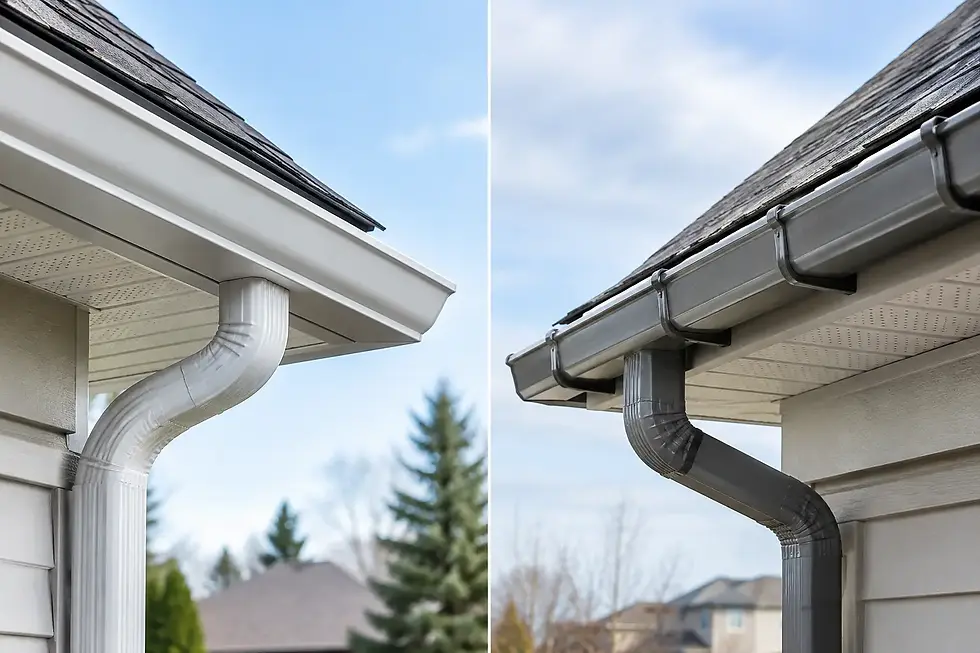
Granules naturally travel towards the roof edge, but clogged gutters can hold water against the shingles and fascia. Leaves, twigs, and debris also keep moisture where it does not belong. That is particularly hard on lower shingle courses, which may show faster granule loss than the rest of the roof.
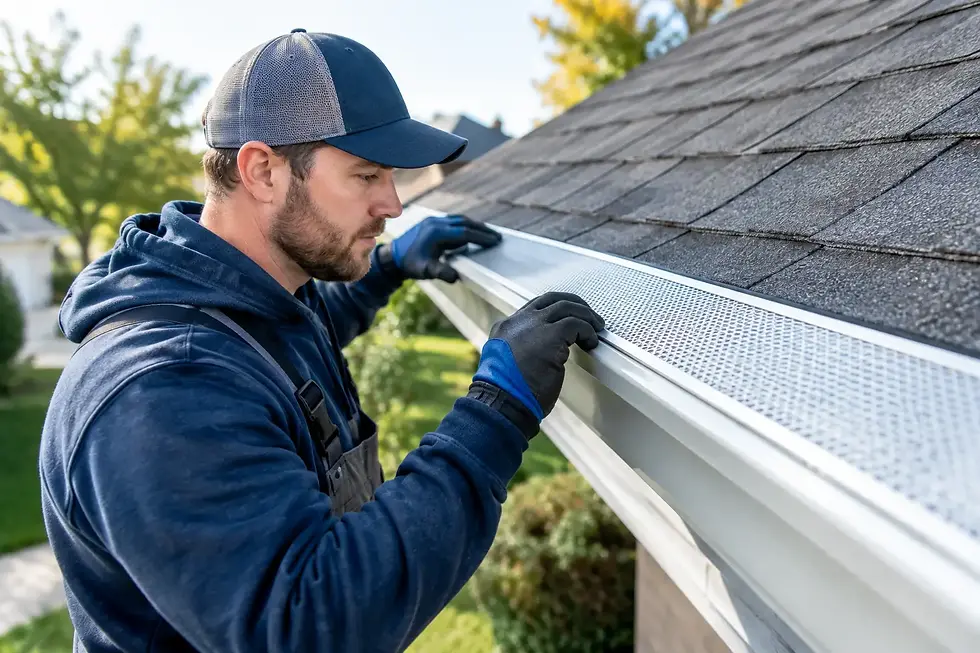
A clean, properly pitched guttering system helps move water away from the roofline and foundation. For homes surrounded by mature trees, leaf protection can reduce debris buildup and make routine maintenance more manageable.
Foot traffic and physical damage
Walking on an asphalt roof can dislodge granules, especially in hot weather when shingles are softer or in cold weather when they are brittle. Satellite work, chimney repairs, holiday lights, and unqualified inspections can leave scuffs that are easy to miss until they become more visible.
Necessary roof access should be limited and handled carefully. If work must be completed on the roof, it is worth having the area checked afterwards, particularly on an older shingle system.
When loose granules are a concern
The amount of grit in a gutter matters, but the roof’s appearance matters more. A small, occasional collection can be normal. The following signs justify a professional roof inspection:
Bald, dark, or shiny patches where the shingle surface has lost its protective coating.
Granule loss concentrated on one slope, around valleys, or below overhanging trees.
Cracked, curled, lifted, or missing shingles.
Granules appearing suddenly after hail, high wind, or severe winter weather.
Water stains in the attic or on ceilings, damp insulation, or visible mould growth.
Do not climb onto the roof to investigate. Apart from the fall risk, walking across brittle shingles can cause more damage. A ground-level visual check, an attic check after heavy weather, and a proper exterior inspection are safer and more useful.
Can a roof with granule loss be repaired?
Sometimes, yes. If granule loss is limited to a few damaged shingles and the surrounding roof remains in good condition, a targeted repair can restore protection. Replacing storm-damaged shingles, resealing lifted edges, and correcting drainage issues may extend the roof’s service life.
Repairs have limits. When shingles are brittle, widely worn, or nearing the end of their expected lifespan, replacement is often the better long-term decision. Matching older shingles can also be difficult due to fading and discontinued product lines. An honest assessment should explain whether a repair is likely to last, not simply offer the lowest immediate price.
For roofs with recurring storm exposure or persistent maintenance concerns, homeowners may also consider a metal roofing system during replacement planning. Metal has different installation requirements and a different appearance, but it can offer durable performance in demanding weather when installed as part of a properly designed roof system.
Protecting your roof from further wear
You cannot prevent normal ageing, but regular attention can slow avoidable deterioration. Keep gutters and downpipes clear, especially after autumn leaf fall and major storms. Watch for overhanging branches that scrape the roof or drop debris into valleys. Check the attic periodically for dampness, stains, or signs of poor ventilation.
After hail or high winds, look from the ground for missing shingles, fallen debris, bent flashing, or granules collecting near downpipes. Take photographs if you can do so safely, then arrange an assessment. Early repairs are usually simpler than waiting for a ceiling stain to confirm that water has already entered the roof system.
H2H Exteriors helps homeowners assess shingle wear, storm damage, drainage concerns, and replacement options with practical advice based on local conditions. A clear inspection and free estimate can help you decide whether your roof needs a minor repair, better water management, or a full reroofing plan.
If granules are turning up in your gutters, treat them as a reason to check the roof rather than a reason to panic. Catching wear at the right time gives you more repair options, better control of costs, and a better chance of keeping Manitoba weather outside where it belongs.

Comments